
Andreas Cervenka
Published: Today 14.31
Updated: Today 14.50
This is a commenting text. Analysis and positions are the writer's.
MY ECONOMY
The financial world is a paradise for anyone who is fond of paradoxes. Swedish politicians have long been careful that the state should not live on credit. This Debt Consolidation Operation has been a success, thirty years after the 90s crisis, Sweden is one of the countries in the Western world with the lowest national debt.
Result: the Swedish krona is as sought after as DVD boxes. In the past year, our currency has lost ground against both the Hungarian forint and the Mexican peso.
In the US, on the other hand, the elected officials have a relationship with debit and credit that would give a debt collector at the Kronofogden red ears. In the last three years, the US government has given away $170 for every hundred dollars it has had in revenue. The difference has been borrowed. Consequence: the dollar has gone strong and US Treasuries are considered the world's safest asset. So much for the value of "gathering in the barns".
There are rules for how much US politicians can borrow in the name of the people.
The so-called debt ceiling was first introduced in 1917. Since then, it has been raised more than 90 times: in 1981, $1000 billion was passed, in 2008 it was over $10,000 billion, and in the most recent increase at the end of 2021, the credit limit landed at $31,400 billion.
If someone were to get around to counting the amount in one-dollar bills, it would take close to a hundred thousand years.
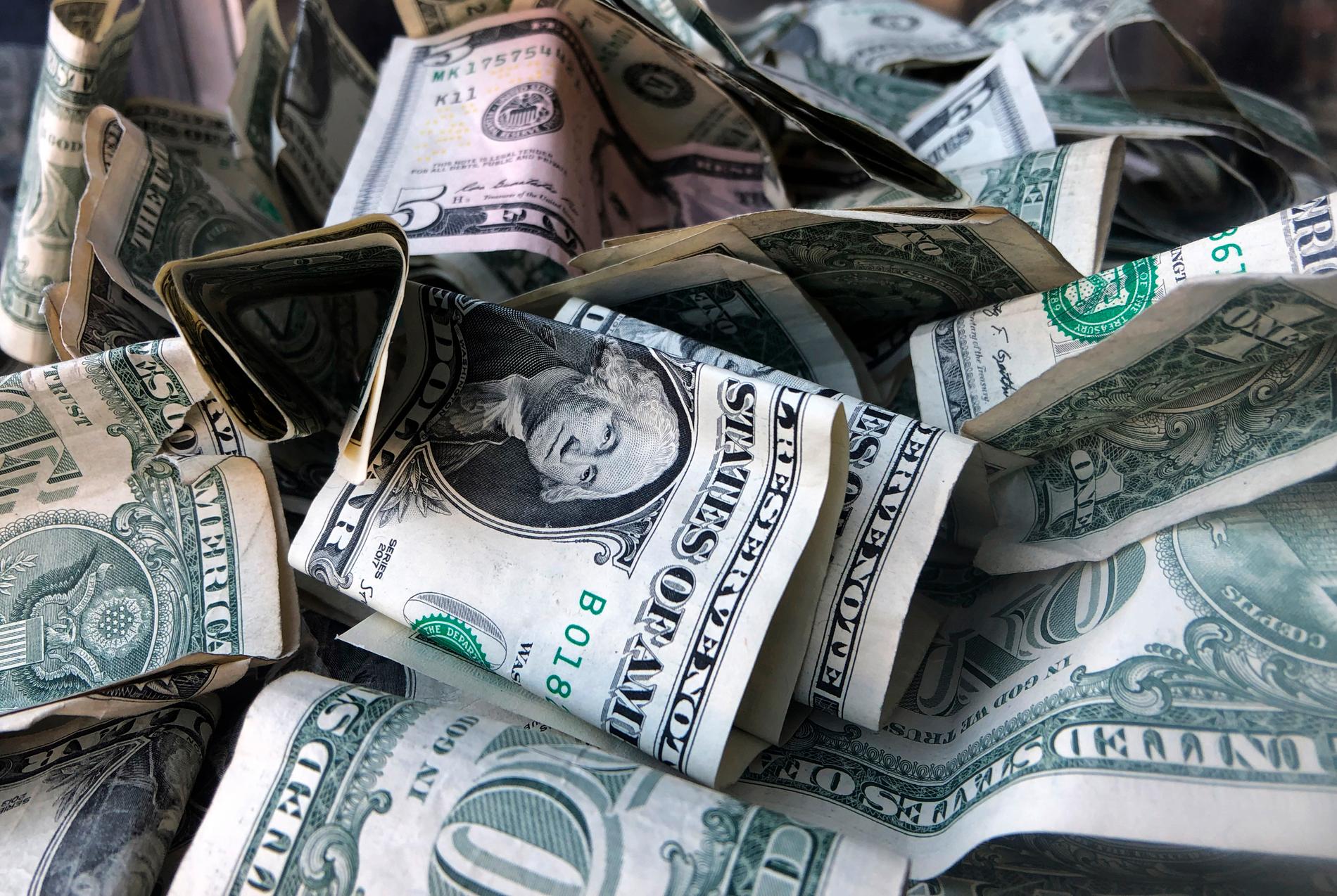
If the dollar were to lose its VIP status, the balance of power in the world would fundamentally change, writes Andreas Cervenka. Photo: Mark Lennihan/AP
The debt corresponds to well over 120 percent of the US's gross domestic product, compared to around 30 percent for Sweden.
Unfortunately, the money ran out already in January and right now there is a recurring drama in American politics about pushing another increase through Congress.
Otherwise, the US may be forced to suspend payments.
The most interesting thing, however, is the relaxed attitude that American politicians have long had in the face of America's extreme debt addiction. There is a reason.
The dollar serves as the world's reserve currency and US Treasury bills are the most important building material in the global financial system. All the world's important commodities are traded in dollars and US money is the dominant currency when the world's banks do their business.
All this creates a constant craving for dollars and allows the US to borrow cheaply.
This, in turn, is the reason why the country can finance its military power and maintain its position as the world's most powerful country. The dollar is simply the most potent weapon the earth has ever seen.
It's no secret that China's biggest dream is to dethrone the US currency and replace it with the yuan. It has been slow. A lot is about lack of competition. As former US Treasury Secretary Larry Summers put it: "Europe is a museum, Japan a nursing home and China a prison".
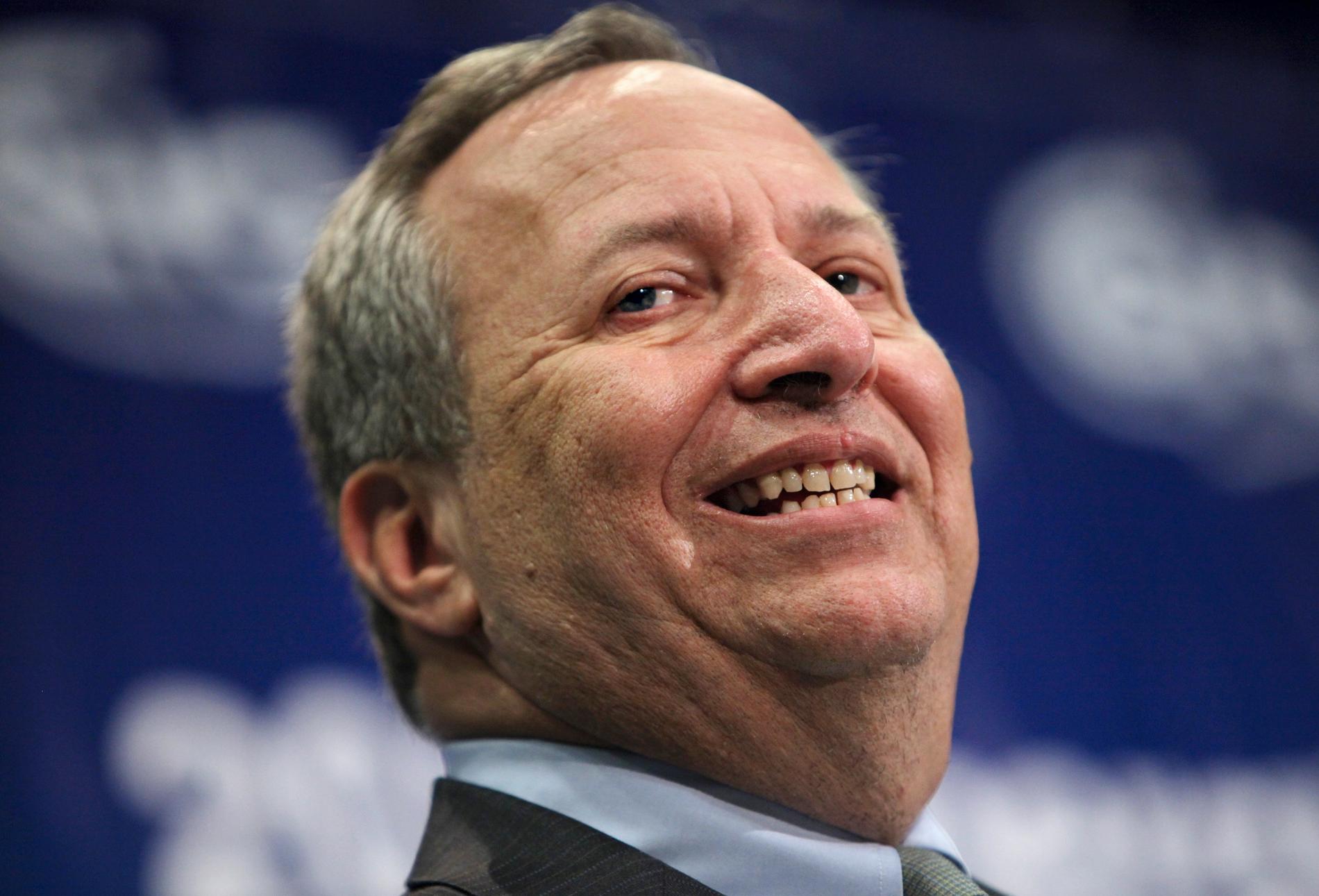
Former US Treasury Secretary Larry Summers. Photo: J. Scott Applewhite/AP
All prophecies about the impending doom of the dollar have been put to shame. But maybe something is about to happen.
After Russia's invasion of Ukraine, the United States froze all of the country's assets in dollars. It gave serious food for thought to other regimes around the world. Maybe keeping money in dollars wasn't so safe after all.
Russia has embraced China and is increasingly paying for oil and gas in yuan. Putin has also initiated a new common currency for the so-called Brics countries, in addition to Russia and China also India, Brazil and South Africa. Even Saudi Arabia, the world's largest exporter of oil, has joined the growing group of countries irritated by the dollar's position. In recent years, both China and Russia have bought large amounts of gold, a move seen as an attempt to reduce dependence on the dollar.
Looking at the numbers, the campaign seems to be going well.
The bank Morgan Stanley estimates that the dollar's "market share" as a reserve currency has fallen from 73 percent in 2002 to 55 percent in 2021 to reverse to 47 percent in 2022, the fastest decline ever.
If, and it is still a big if, the dollar were to lose its VIP status, the balance of power in the world will fundamentally change. In the muddy trenches of Ukraine, a proxy war between East and West is already underway. But the decisive battle over which values should prevail in the world is fought thousands of miles away by currency traders in London, New York and Hong Kong.

Inga kommentarer:
Skicka en kommentar