The air in many Swedish cities needs to be improved. One solution could be to increase the vegetation. New research will find out which trees work best to absorb pollution and how they should be placed, announces the Swedish Environmental Institute.
Trees and greenery in the city dampen noise, provide shade on hot summer days. But urban greenery also buffers rainwater and contributes to increased biodiversity. The advantages are many, but at the same time there is a risk that trees also affect air circulation, which leads to lower ventilation and that the concentration of air pollution rises.
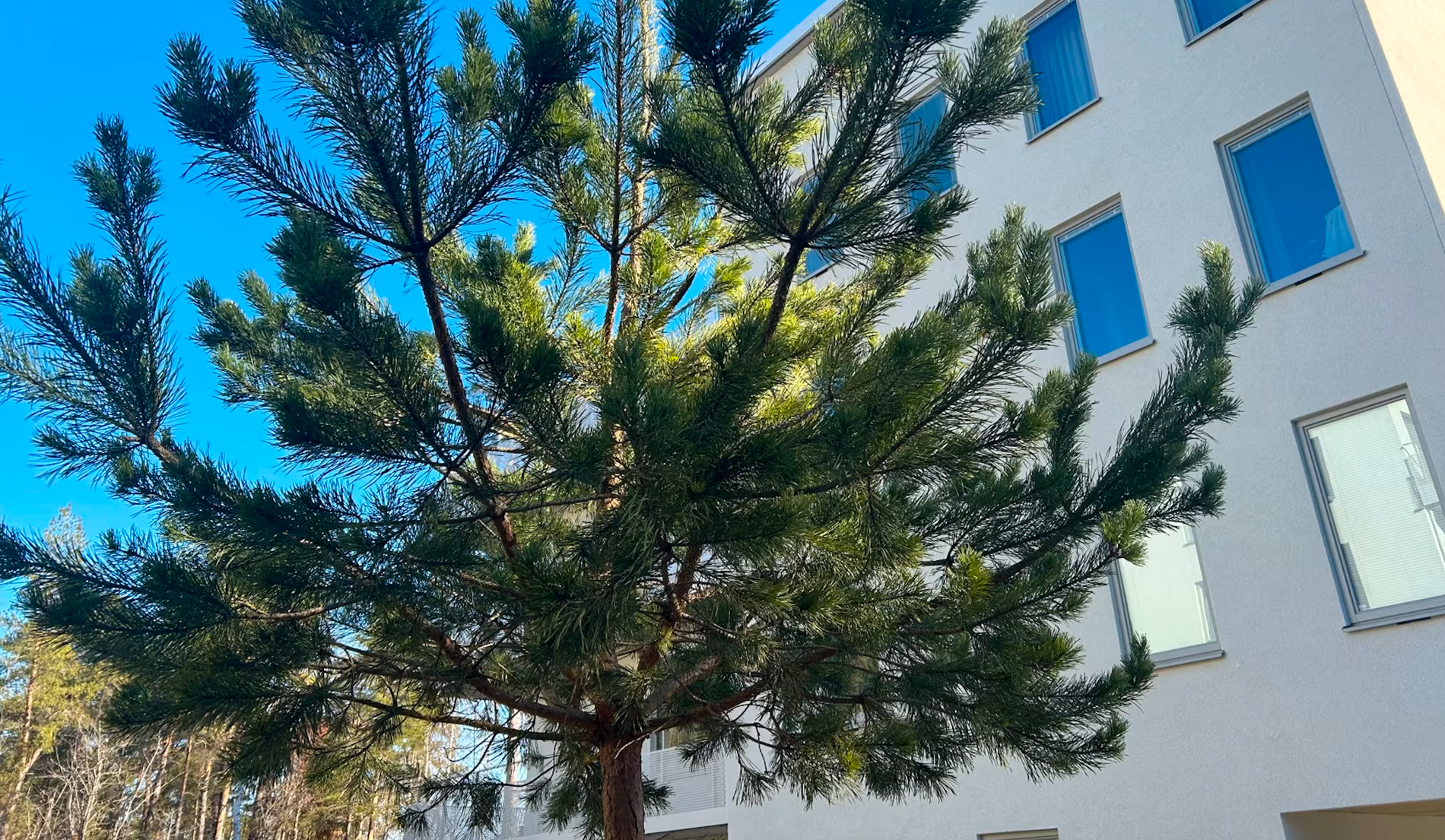
- Conifers are very interesting, especially black pine. It is a species that has the ability to absorb both metals and particles, and it is green all year round, comments Malin Gustafsson, researcher and project manager at IVL Swedish Environmental Institute, in a press release.
In connection with urban planning, it is important to be able to determine which factors have the greatest importance for trees in urban planning.
- In order to understand how vegetation affects air quality, we need to know more about how different species absorb pollutants. We also need to know more about how trees affect the air flow in different urban environments, says Malin Gustafsson.
Maximize the effects of greenery
During the summer, measurements will be carried out on various tree species that have been identified as interesting for the expected Nordic climate, these include, among others, black pine, as well as the deciduous trees Zelkova and Eucommia - two relatively new species for the Scandinavian climate that seem to do well in an urban environment both in terms of drought and diseases .
Using the measurement results and advanced models, the researchers will analyze how the trees affect air pollution levels.
- We believe that the choice of tree species and how the trees are placed in the urban environment play a big role. We want to maximize the positive effects of greenery. It will be exciting to see what the measurements show, writes Malin Gustafsson in the press release.
The project is a collaboration between the IVL Swedish Environmental Institute, the City of Gothenburg, the University of Gothenburg and the Gotenburg Botanical Garden.

Inga kommentarer:
Skicka en kommentar