
Extreme weather "Heatflation" is the word you should remember
This is a commenting text. Analysis and positions are the writer's.
Updated 19:48 | Published 18:51
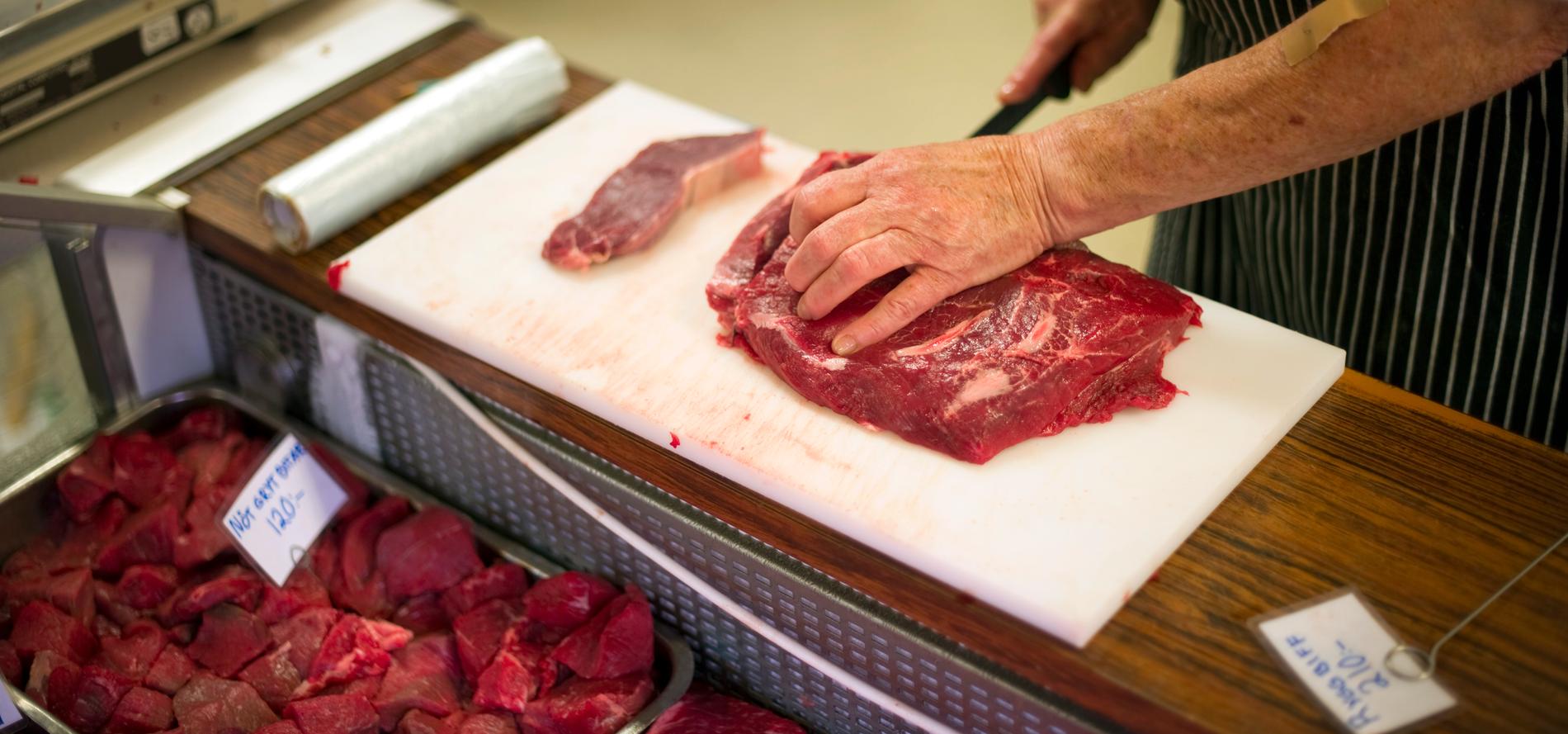
Sirloin steak. A luxury that fewer and fewer can afford. Photo: BJÖRN LARSSON ROSVALL / TT
Columnists
To sear a sirloin steak to bloody perfection - medium rare in charcuterie parlance - an internal temperature of between 48 and 52 degrees Celsius is recommended. However, a well-cooked piece of meat is a luxury that is becoming more and more expensive.
The world market price of beef has risen by 900 percent in 20 years, according to the site Trading Economics.
The good news is that you will soon no longer need an oven or grill to create a nice roasting surface, it is enough to throw the piece of meat out on the nearest pavement.
On the Italian island of Sardinia, 48.2 degrees were measured this summer, the highest ever recorded in Europe during a July month and not far from the all-time record of 48.8 degrees set in Sicily less than two years ago.
In July, the city of two million people, Phoenix in the western United States, had thirteen days with 46.7 degrees or more and above 43 degrees for a whole month straight. Something that can be considered pure cold snaps for the residents of Chinese Sanbao, on the same latitude as Mallorca, with over 52 degrees in the middle of July.

People rest during a hot and sunny summer day in Madrid, Spain, Wednesday, July 19, 2023. Photo: Manu Fernandez/AP
In the shadow of a classic Swedish car wash summer, just to be safe, rounded off with a last bucket of cold water in the fairy signed ”Hans”, the topic of extreme heat can of course feel distant.
But 2023 is, in case anyone missed it, the hottest year recorded since man sharpened his skills and started growing food instead of that eternal gathering and hunting.
21 of the hottest days ever, measured as global average temperature, occurred during the month of July.
According to recent figures from the Food Price Survey, food became more expensive in Sweden again in July, after three months of falling or unchanged prices.
One of the goods that has become more expensive is olive oil.
The drought in Spain has destroyed half of the year's harvest.
The link between climate change and food prices is indisputable.
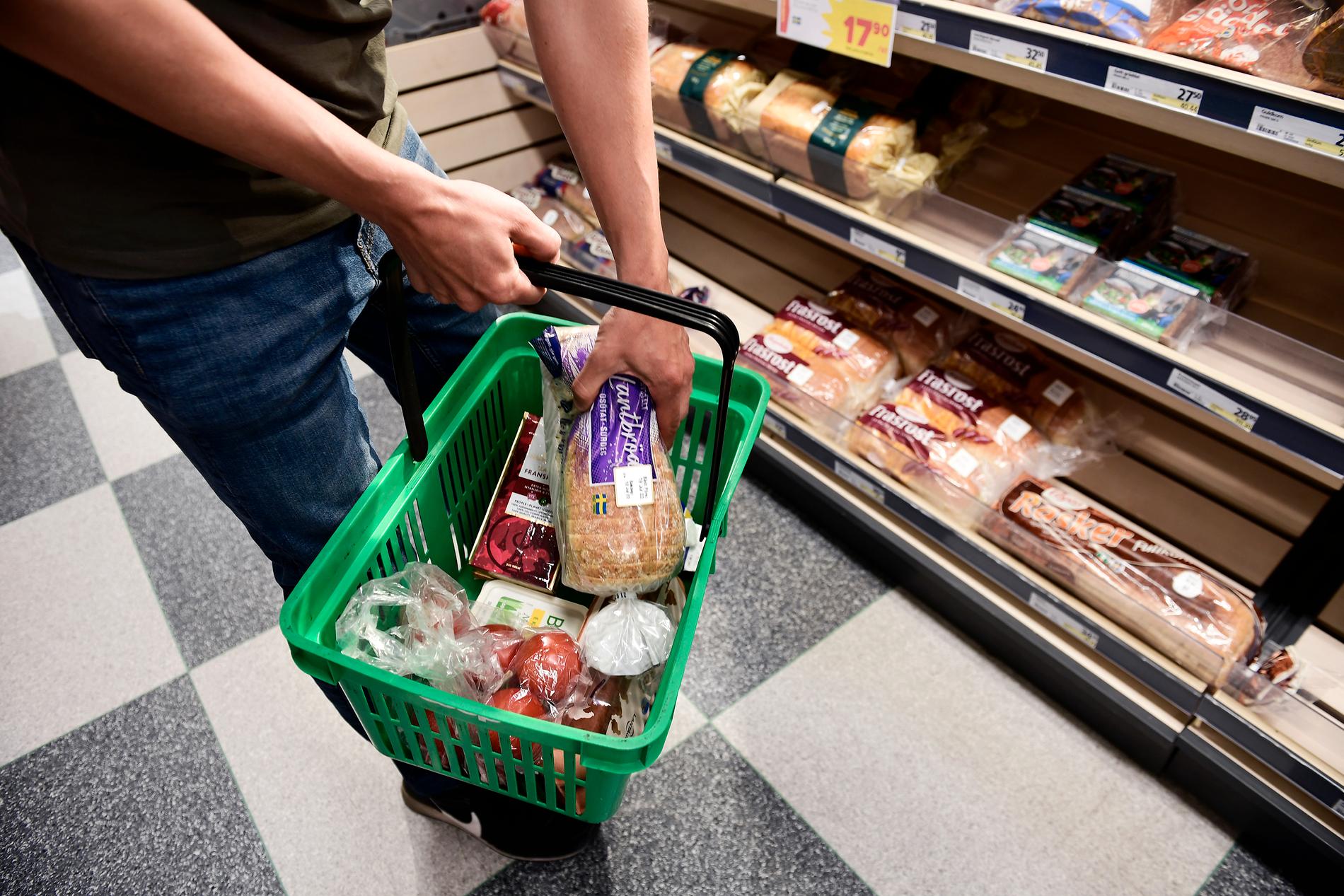
Archive image.
Shopping cart with different foods. Archive image. Photo: Chris Anderson/TT
Droughts, floods and fires destroy crops and make it more difficult to raise animals. Warmer climates make diseases and pests more common. High water temperatures kill the fish. Coffee and chocolate are becoming more difficult to grow. And so on.
In Korea, plagued by a heat wave this summer, the prices of several vegetables have doubled in a short time. Economists predict that the heat will lead to a comeback for inflation in the country, or "heatflation", as it has been called. Memorize the word.
In a recent study by the European Central Bank, climate change is predicted to push up global food prices by a further between 1 and 3 percent per year until 2035, fueling headline inflation.
The effects of the weather phenomenon commonly known as El Niño, which occurs approximately every seven years (including this year), are particularly large. Historically, one degree of warming during El Niño has led to six percent more expensive food a year later, according to the ECB.
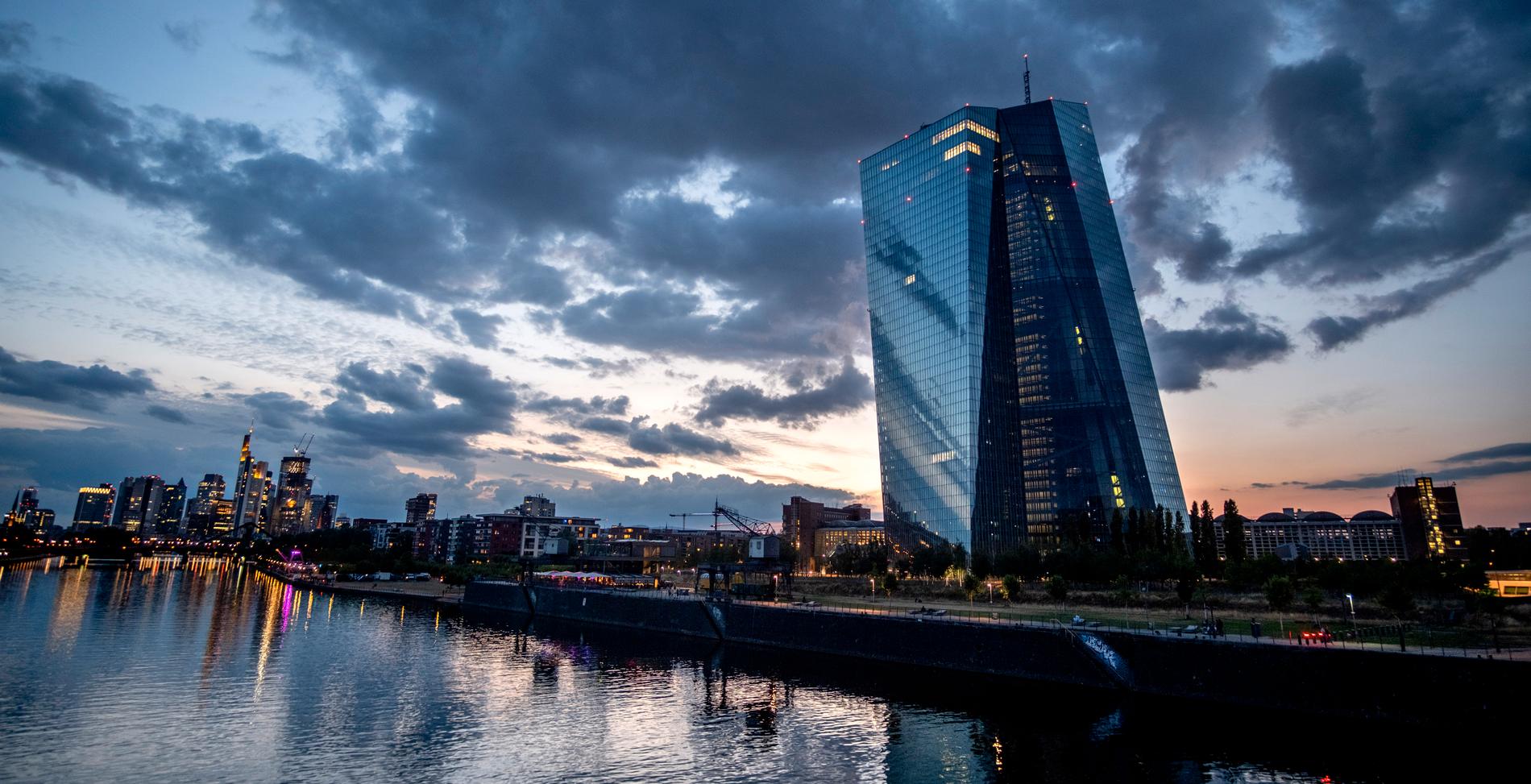
The European Central Bank is pictured in Frankfurt, Germany, Wednesday, July 26, 2023. Photo: Michael Probst/AP
And it's not just pure cost increases that can lead to juicier price tags in the grocery store. The impact of the animal industry on the climate (the gases emitted by cows make up a not insignificant part of global emissions) means that voices have been raised for higher taxes on meat.
Researchers at a German university have calculated that if the climate costs are to be included, meat prices must increase by an average of 146 percent. In the future, you may have to settle for heating a sausage on the hood of the parked car. But only on festive occasions, of course.
Some believe that climate change could cut GDP by as much as a tenth.
None of this should come as a shock, to say the least.
A heavily intoxicated snail has faster reaction capacity than that human has shown regarding the climate threat. The situation was already relatively bleak, but if you put enough effort into it, it is apparently possible to make it even worse.
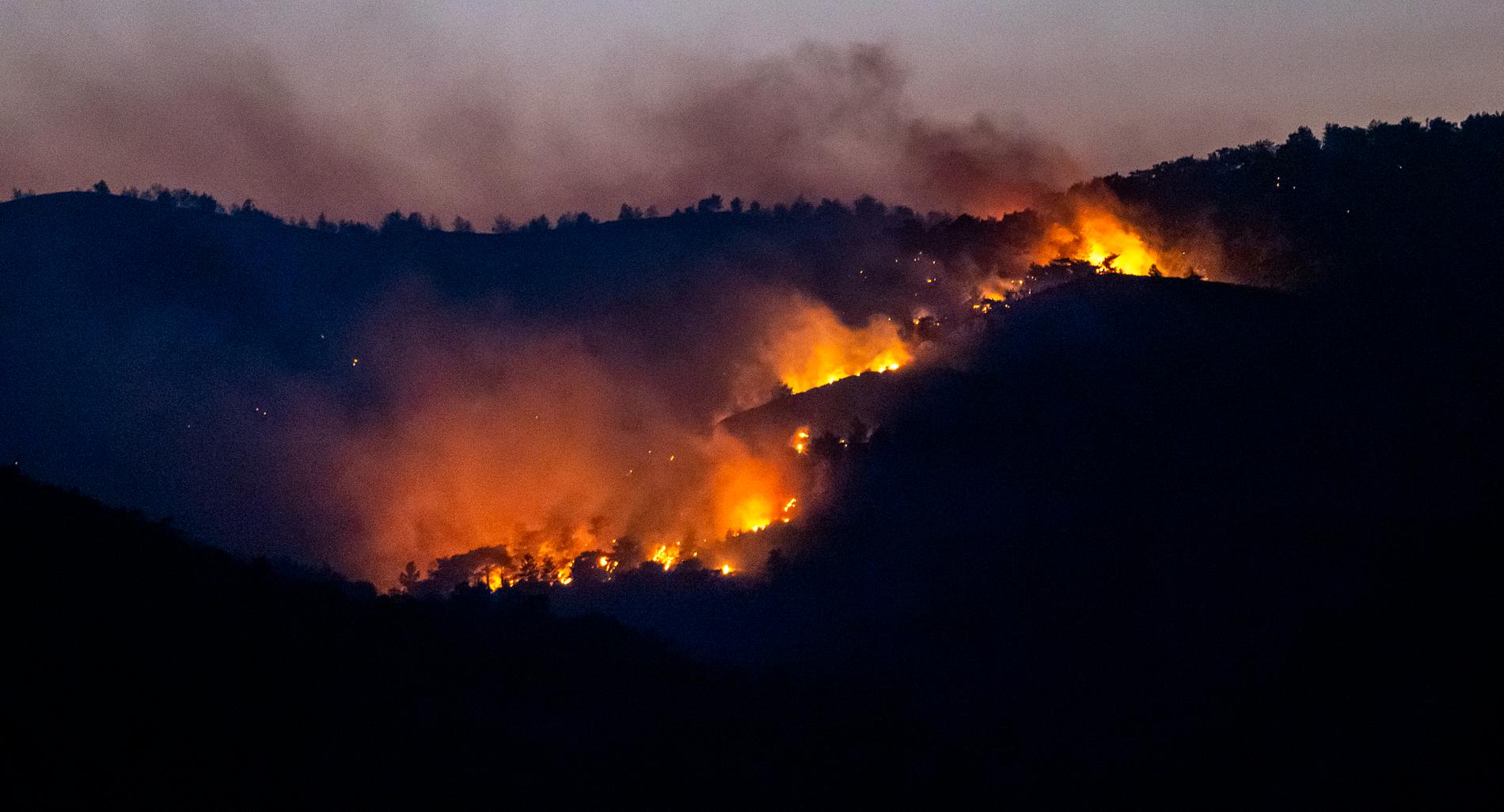
Forest fires have plagued southern Europe this summer. A consequence of the extreme heat. The picture is from Rhodes. Photo: Stefan Jerrevång
From having been considered a leading country, Sweden is now generating headlines abroad for having reduced its ambitions regarding the climate, which became clear, among other things, in a report from the Climate Policy Council earlier this year.

Inga kommentarer:
Skicka en kommentar