The bill for the disasters: Hundreds of billions - now insurance premiums are rising
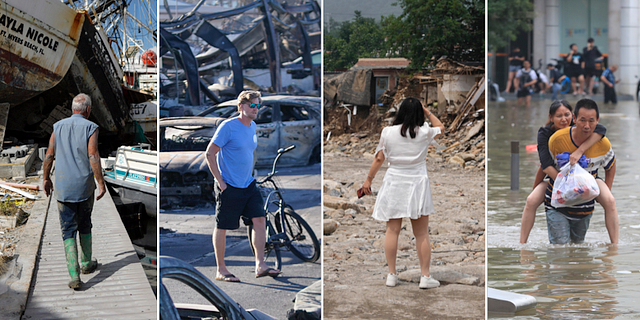
Natural disasters have cost the world's insurance companies SEK 500 billion since 2011, writes the Financial Times. As a result of this summer's forest fires in Hawaii, Greece and Canada, and the floods in Sweden and Norway, the question of who will foot the bill in the future is now being raised.
The BBC writes that the premiums for taking out home insurance in the US have risen steeply in recent years. Especially for those who live in disaster-prone areas.
59-year-old Gretchen Bradford in New Orleans is one of those who has seen the price of her insurance premiums skyrocket. After Hurricane Katrina in 2005, her expenses have multiplied.
In the latest announcement, her insurance company wanted more than SEK 100,000 to cover the risks to her home. Something she couldn't pay.
- If I had paid for the insurance, I wouldn't have been able to afford to put food on the table, she tells the BBC.
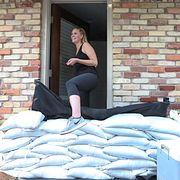
Lacey Williams faces a pending hurricane in Texas in 2017. Steve Gonzales/AP
Analysis: The solution is to get people to move
Climate scientists agree that rising temperatures will cause more extreme weather in the future. But even now, as the world faces an expected El Niño year, American insurance companies are pulling the handbrake. They simply can no longer afford to insure certain risk areas, writes SvD's Jenny Norberg.
In some parts of the United States, it is no longer possible to get insurance companies to protect property at all. The increased risks have caused Norberg to think about where she should live in the future.
"When some companies a little far-sightedly began to calculate the costs of future rises in the sea level, the premiums became so acutely much more expensive that the politically appointed commissioner decided that it could not be included in the price," she writes.
Maxine Joselow at the Washington Post states that the world is not only facing a climate crisis - but also an insurance crisis. And she opens up about the fact that people who live in vulnerable areas may eventually be forced to move.
"Basically, the solution is to get people to move from what they call their homes," she writes.

Inga kommentarer:
Skicka en kommentar