
Oisin Cantwell
Published: Less than 20 min ago
This is a commenting text. Analysis and positions are the writer's.
COLUMNISTS
Anonymous witnesses, visitation zones and youth prisons.
A not insignificant part of the change that Sweden is facing comes from criminal policy.
The Sweden Democrats (Sverigedemokraterna)are said to put heavy pressure on the government and gain significant influence over developments.
However, I think that both the scumbags on the left and the hardliners on the right exaggerate the extent of the criminal justice shift we have to look forward to.
But let me return to speculations about how this policy area will be shaped and begin with a consideration of who will be Minister of Justice.
Whichever parties will now form part of the new government, this is a classic moderate post that the party will not let go of.
The normal order is that a parliamentary party's legal policy spokesperson is also its candidate for minister of justice.That would mean Johan Forssell. But it won't be like that.
The Minister of Justice will be current party secretary Gunnar Strömmer, a former lawyer who has been passionate about legal security issues and has, among other things, initiated the Center for Justice, a non-profit organization that fights to maintain individual freedoms and rights.
This is fairly good news, even if Strömmer is now much more politician than lawyer and spends a considerable amount of time hiding the fact that he basically has decent values.
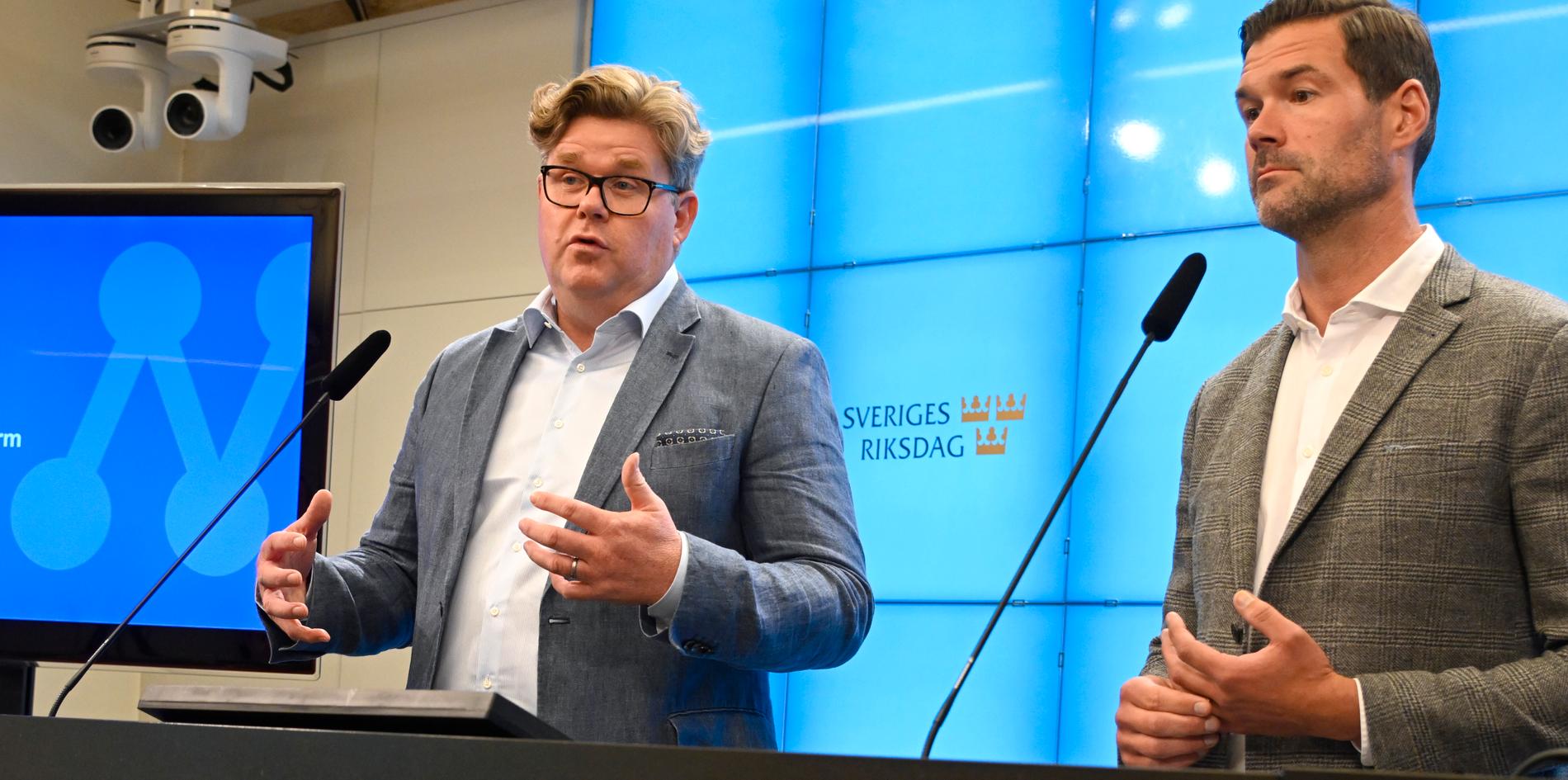
The Moderates' current party secretary Gunnar Strömmer (on the left) and legal policy spokesperson Johan Forssell. Photo: Anders Wiklund/TT
During Morgan Johansson's time, the Ministry of Justice has not exactly been on the lazy side, tougher penalties have been produced at the same rate as new Volvo cars leave the assembly line, but the officials will likely have even more to do under the new government.
Of course, we have to count on some stupidity.
Contemporary criminal policy is not primarily characterized by intelligence, and moderates resemble social democrats in the sense that they are more interested in vote fishing than reforms based on science and proven experience.
Within a few years we will therefore have anonymous witnesses (anonyma vittnen). This despite the fact that such an arrangement impairs legal certainty without there being any significant profit to be made. The courts will throw such evidence in the trash.
Another misery are visitation zones. Even the police don't want those. The authority knows that the police in the field already today have the right to search people without having much suspicion of crime.
But what does that do? The right has gone to the polls in these zones.
However, the cocaineists and ecocriminals on Stureplan have nothing to fear. It is the already vulnerable suburbs that are affected.
There is reason to fear increased mistrust of the state among the population in these areas, which is the last thing the police need.
But the serious crime of our time must be dealt with. And some of the moderate increases in punishment for violent crimes are well justified.
Not to mention the current rules on volume discounts for those convicted of multiple crimes, which may need the overhaul that is in the making.
Kristersson & co also have an ambitious crime prevention program, which they have not promoted with any great zeal. Investments in social services, school and addiction treatment.
So far the politics of the Moderates. We know approximately where we have it. More difficult to assess is what influence the Sweden Democrats have.
That party alternates sharp proposals with vagueness and outright silliness, such as the Probation Service changing its name to the Penal Code.
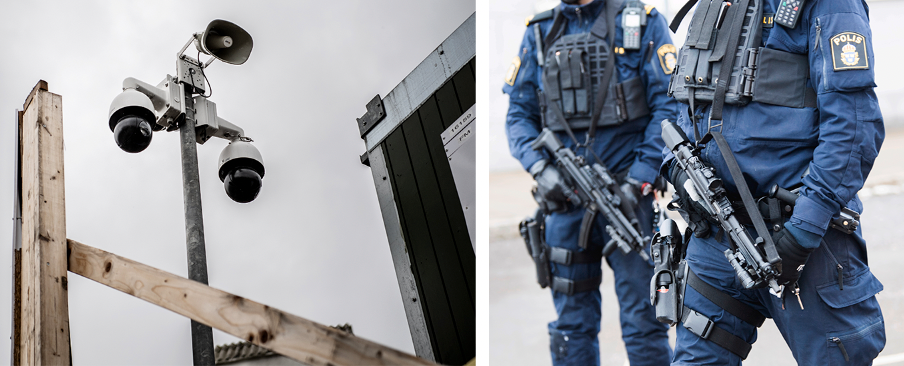
Increased surveillance, visitation zones, more police and tougher punishments may be in the works with the new administration. Photo: Andreas Bardell / Fredrik Sandberg (TT)
Åkesson has been clear that he will demand a detailed agreement with a new government before it is released. And many of SD's demands are about crime and punishment.
A lot of this is already included in the Moderates' arsenal. More police, national ban on begging, criminalization of gang participation.
One issue I suspect will be important is more deportations due to crime. The government has recently tightened the rules, but it is probably no problem to get the Moderates to take an even tougher line.
The Sweden Democrats have, however, become professionalised. It was not long ago that leading representatives suffered from the same kind of fever pitch as some editorial writers on the right and demanded the deportation even of people who risk torture or being executed.
Nowadays, the party, at least the top brass, knows that Swedish law and the European Convention better put an end to such things. The proposals are instead about "agreements on diplomatic guarantees" and similar vagueness
We should have no illusions about what the Sweden Democrats want to do with Sweden.
The rule of law as we know it must be overthrown, courts brought under political control, the statutory protection of human rights renegotiated.
But the party needs over 50 percent of the vote in two elections in a row and rewritten constitutions to achieve everything they dream of.
It is my firm belief that the Moderates will protect the rule of law and respect the international conventions that Sweden has undertaken to follow.

Inga kommentarer:
Skicka en kommentar