
News
The war between Israel and Hamas
US urges Israel: Scale down the war
Nivette Dawod
Published 2024-01-15 23.02
Over 100 days have passed.
Now the US wants Israel to scale back its military offensive in Gaza.
- The time has come for that change, says John Kirby of the US National Security Council.
Follow topics
The war between Israel and Hamas
Israel's closest ally – the United States – is starting to lose patience.
Throughout the war, they have maintained that Israel has the right to self-defense against terrorist-branded Hamas after the large-scale attack on October 7.
Top US politicians have shuttled for diplomatic talks - and the US has repeatedly vetoed binding resolutions in the UN Security Council to stop the war.
But now the tone is beginning to shift, several media reports.
The news site Axios writes that both US President Joe Biden and other high-ranking officials are becoming increasingly frustrated by Israeli Prime Minister Benjamin Netanyahu's unwillingness to comply with the various demands made by the Americans during the war, including bringing in more emergency aid and protecting civilians.
"The situation sucks"
- The situation sucks, and we have hit a snag. The president's patience is running out, a government source told Axios.
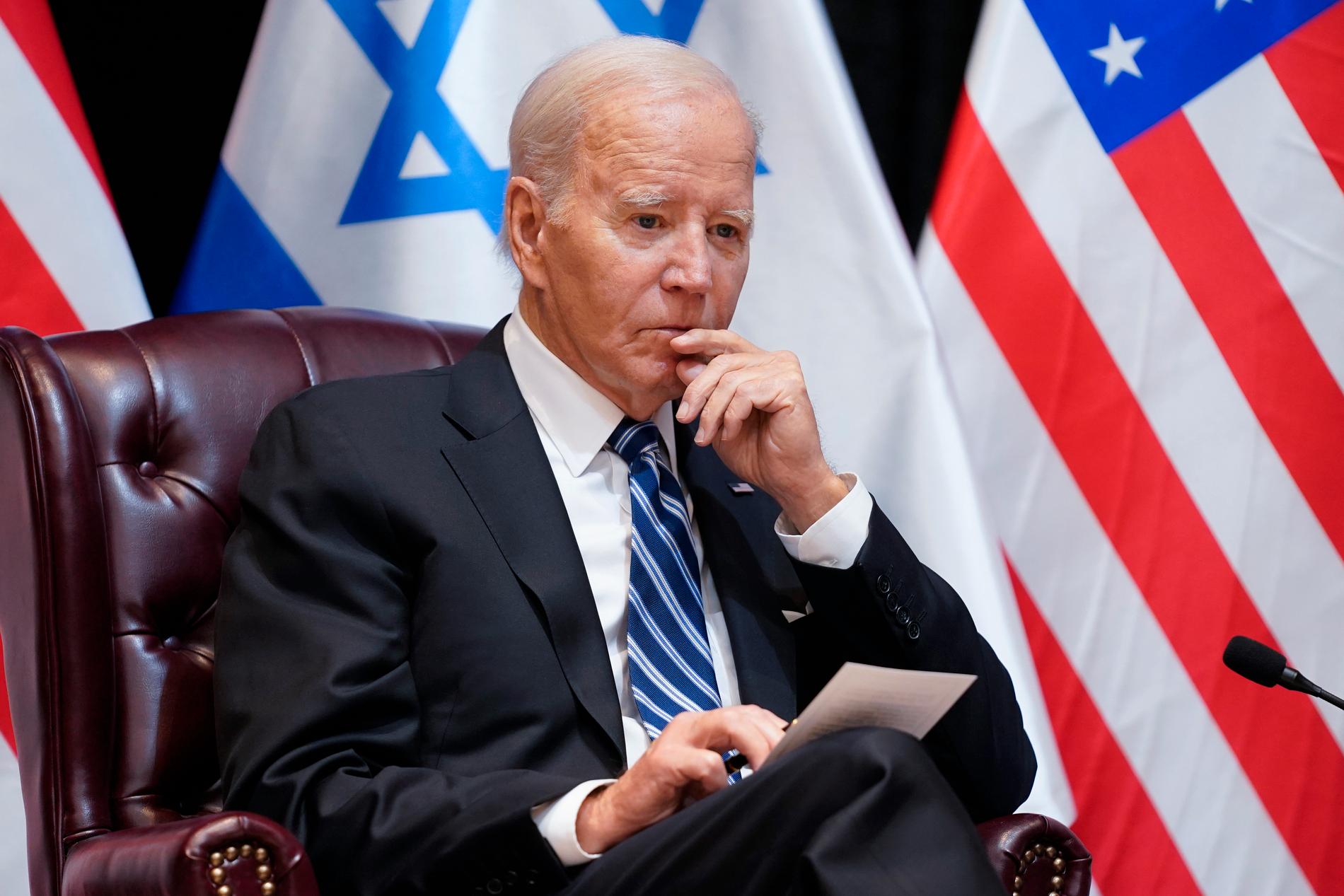
Joe Biden. Photo: Evan Vucci/AP
Senator Chris Van Hollen tells the site that Netanyahu "gave Biden the finger" on every occasion when the US and Israel communicated.
- They appeal to the Netanyahu coalition, but are slapped in the face again and again.
There are also reports that Biden and Netanyahu have not been in contact since a sour phone call on December 23, which Biden reportedly ended with "this conversation is over."
The fact that the election year has just begun in the United States and Biden is losing support among party friends due to Israel's war is also believed to play a role in the tone shifting.
Scale down
Neither does the rhetoric from Netanyahu, who last Saturday said in a speech that Israel's war against Hamas will continue until all goals are achieved: "to eliminate Hamas, that all the hostages return and that Gaza never again poses a threat to Israel."
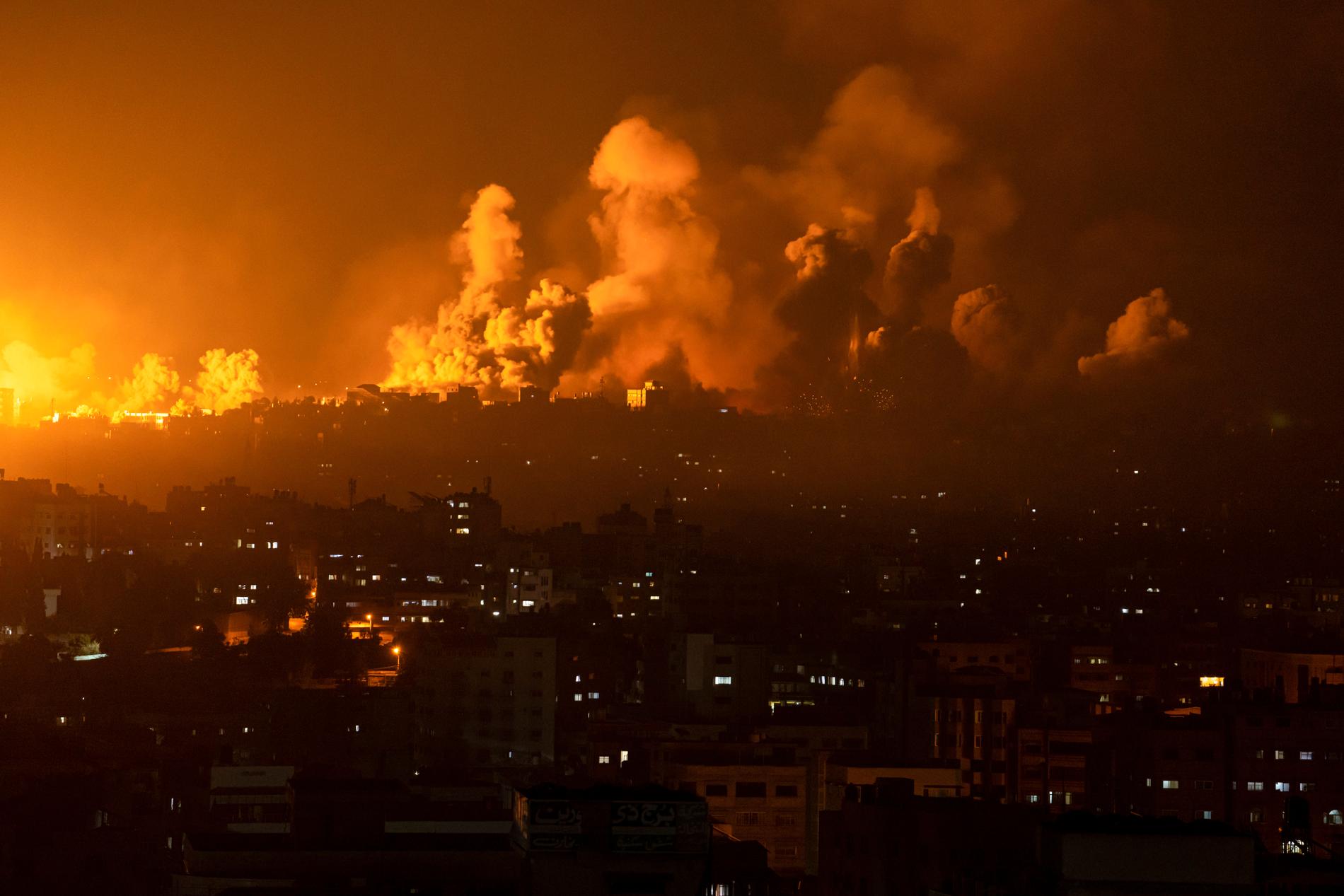
Smoke rises over Gaza after an Israeli attack. Photo: Fatima Shbair/AP
In an interview with the television channel CBS News yesterday, John Kirby, spokesman for the White House National Security Council, was asked several questions about whether the United States should press Israel harder to reduce the intensity of the war.
The IDF recently stated that it had begun such a shift, but on the ground no difference is noticeable, according to Palestinian testimonies.
John Kirby responded that talks are ongoing about Israel scaling back to more "low-intensity operations" in Gaza.
"Intensive conversations"
- We think the time is right for that change, Kirby said in the program Face the Nation.
When asked how the talks are going, he replied:
- We have had very intensive talks with the Israelis. We know those conversations have had an impact. They went into northern Gaza with a much smaller force than they originally planned because we advised them of our experience in places like Mosul and Fallujah (in Iraq, ed. note). We've seen them establish humanitarian corridors, we've seen them drop leaflets about where people should go and where they shouldn't go.
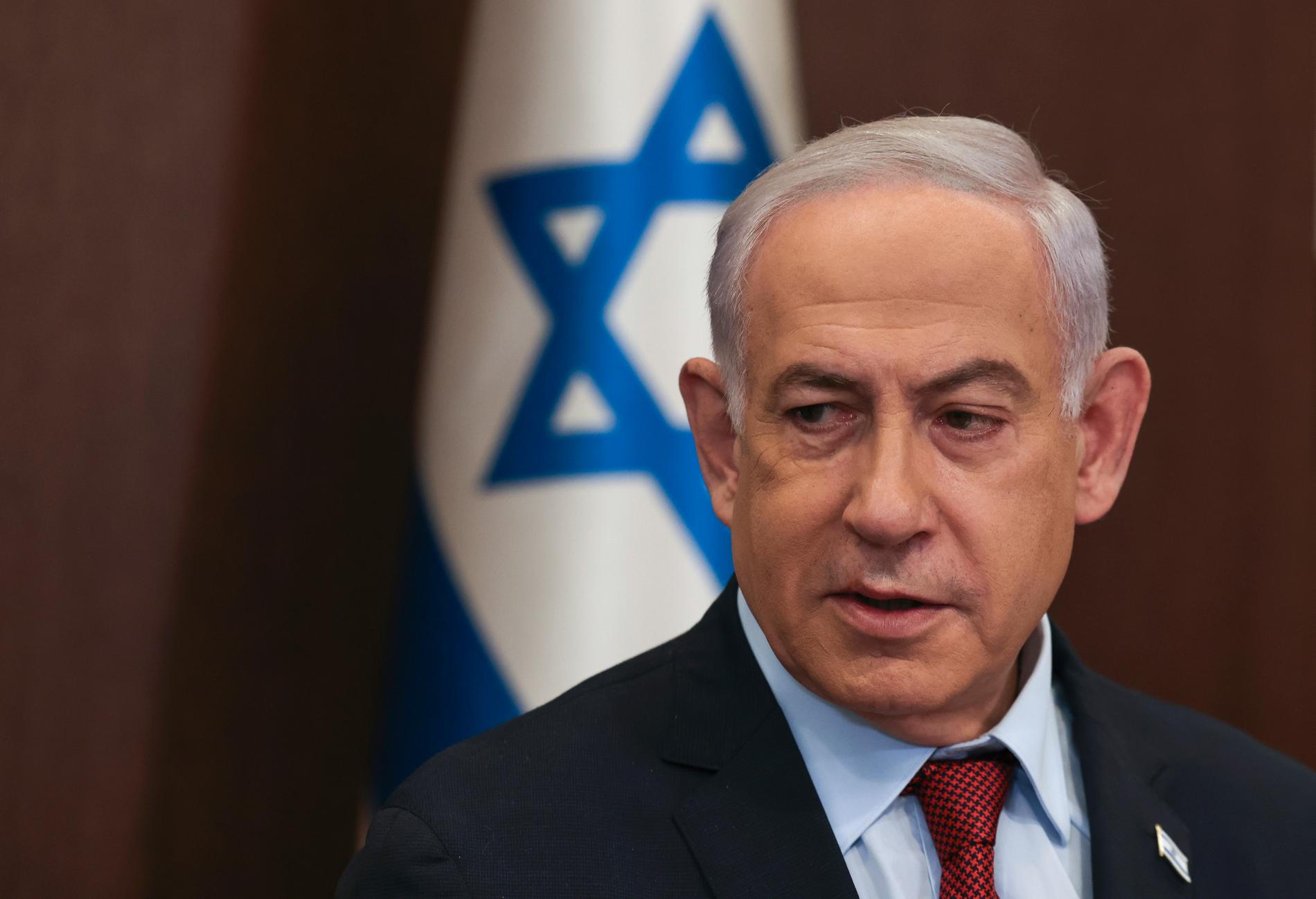
Benjamin Netanyahu. Photo: Ronen Zvulun / AP
At the same time, Kirby seemed to admit that there are cracks in the allies' relationship.
"The time has come"
- I'm not saying it's perfect. We still want to see fewer civilian casualties and bring in more emergency aid.
A few hundred trucks come in a day, it's not enough.
He stressed that the US still believes Israel has the right to defend itself against Hamas - and said the terror-labelled group remains a threat.
- They have every right, and a responsibility, to act on it. But we believe that the time has come to move very, very soon to a more low-intensity phase.
FACTS
Background
This weekend marked 100 days since October 7, when Hamas attacked Israel in what is being called the worst massacre of Jews in modern times.
Over 1,100 people, mainly Israelis, were killed and 240 people were kidnapped. 130 of them are still believed to be with Hamas in Gaza.
The military invasion that Israel launched shortly afterwards against the Gaza Strip - with the aim of eradicating Hamas - has been very bloody. By Palestinians it is called a new Nakba, the name of the expulsion of Palestinians that took place in 1948 when the state of Israel was established.
According to the Hamas-controlled health department in Gaza, over 24,000 Palestinians are estimated to have been killed by Israeli attacks, the majority of them women and children. Over 60,000 have been injured.
A whole outside world has been able to follow the war, both through daily updates from the Israeli military (IDF) and the local Palestinian journalists who report from inside the isolated Gaza with their lives at stake.
The UN, the World Health Organization and several aid organizations warn that no place in Gaza is safe, that the health care system is collapsing, and that people are living in famine-like conditions.

Inga kommentarer:
Skicka en kommentar