
News
Iceland
Swedish Jakob, 39, in Iceland: Natural disaster in slow motion
Nora Fernstedt
Published 00.26
Photographer Jakob Vegerfors woke up last night and saw the glowing column of smoke from his bedroom window.
The volcanic eruption in Iceland has become worse than everyone expected.
- That there are fires, it's something that hasn't happened in 50 years, says Jakob.
Swedish-Icelandic photographer Jakob Vegerfors, 39, is on his way home when Aftonbladet talks to him on Sunday evening.
He has been out all day documenting the volcanic eruption and talking to people. Restrictions are tight around the evacuated town of Grindavík.
Jakob Vegerfors says that he was able to get about 6 kilometers from the eruption.
- You don't see as much now, this morning there were slightly more dramatic views.
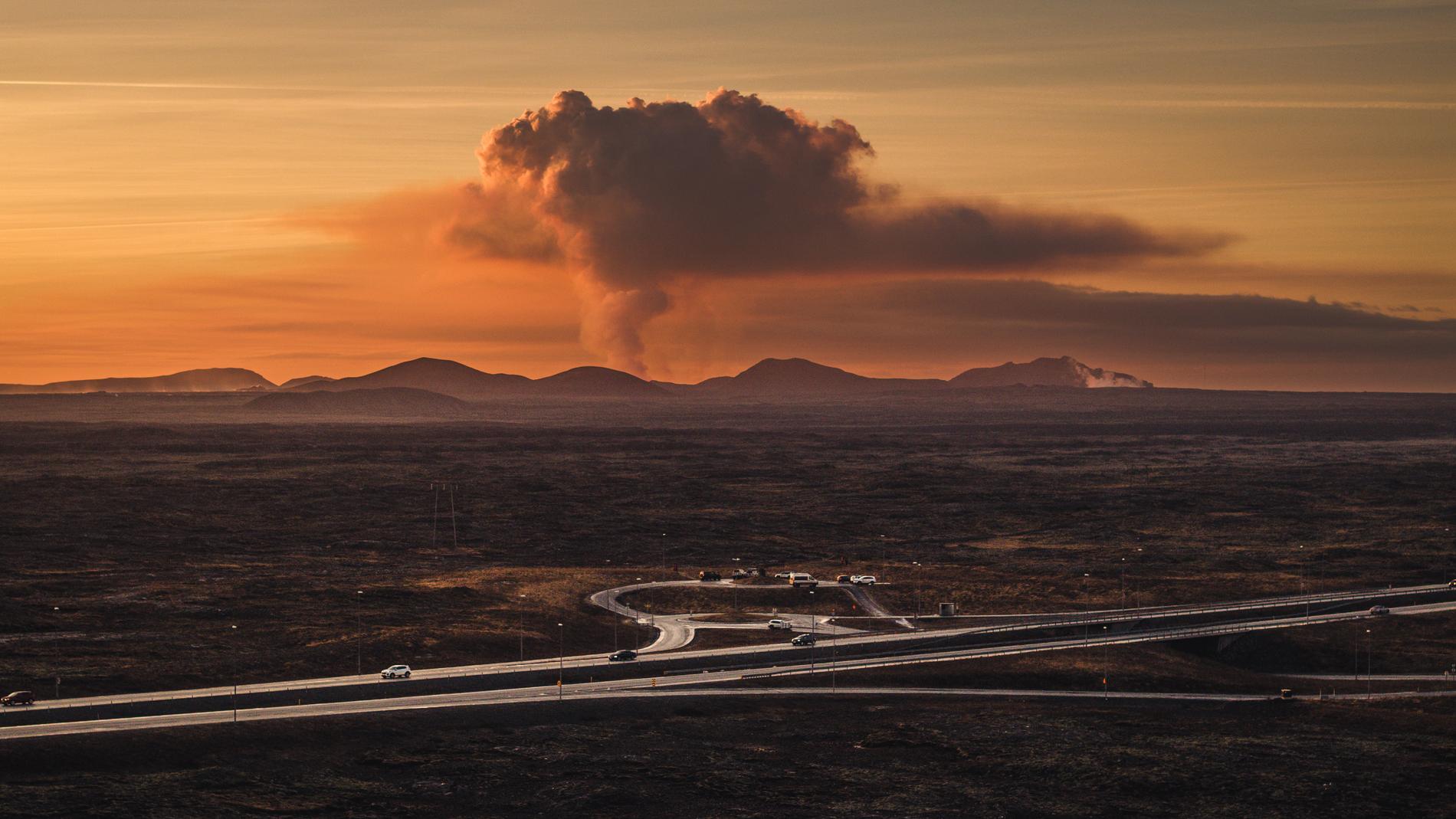
Jako Vegerfors has documented several volcanic eruptions over the years. But what happened today is special.
- It's worse than you thought. And even if I am not affected personally, I have friends and acquaintances who are affected. It is very emotional.
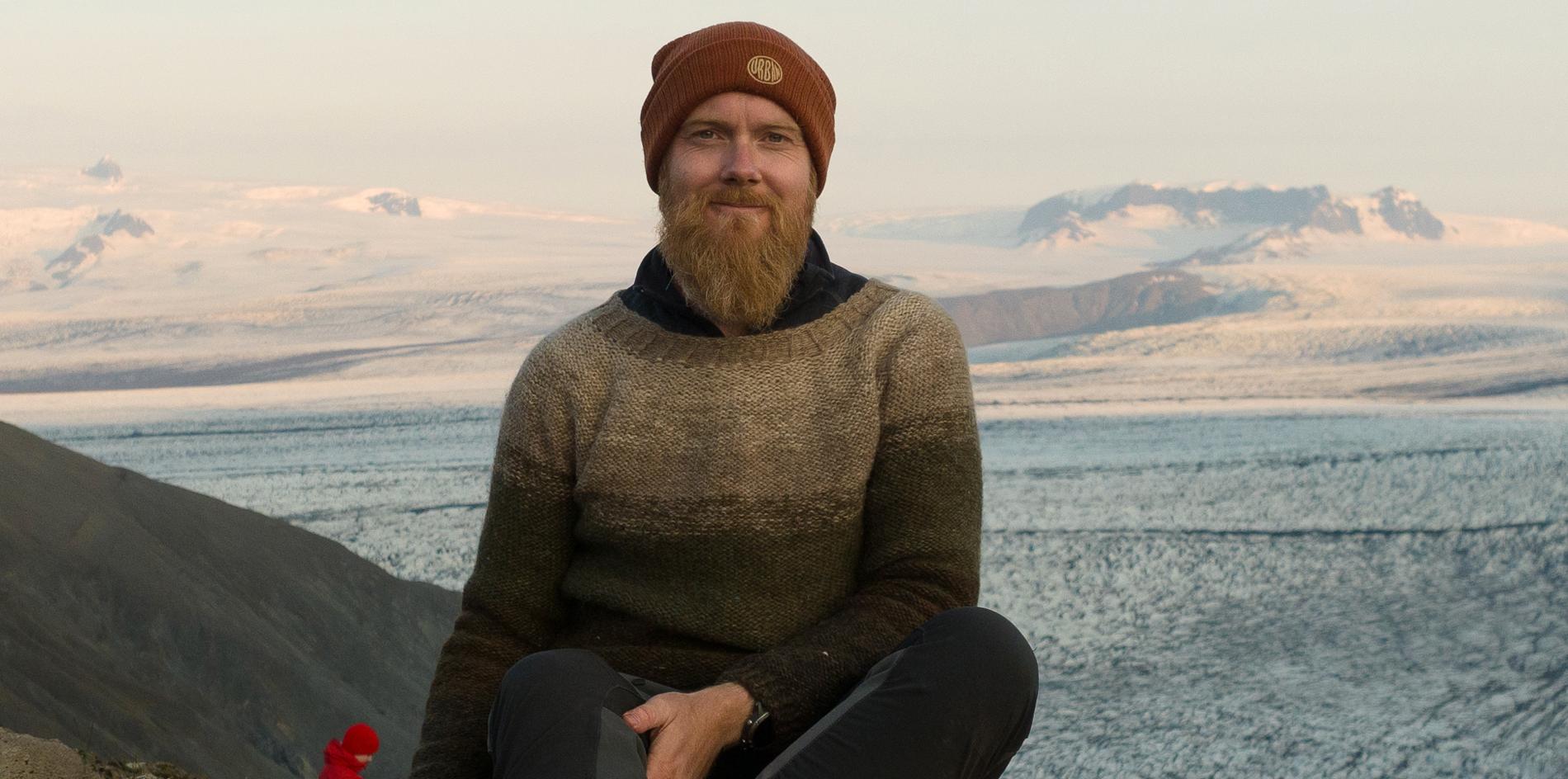
Swedish-Icelandic Jakob Vegerfors lives approximately 3.5 kilometers from Grindavík. Photo: Jakob Vegerfors
"Had hoped to move home"
Jakob lives approximately 3.5 kilometers from Grindavík. Early this morning he woke up to see a large, red column of smoke from his living room window.
- Apparently it could be seen as far as 8 miles away. Now it has partly spread out with the wind so that the column of smoke is somewhat smaller.
At nine o'clock in the morning, Swedish time, the volcanic eruption came. Then Jakob threw himself into the car and set off.
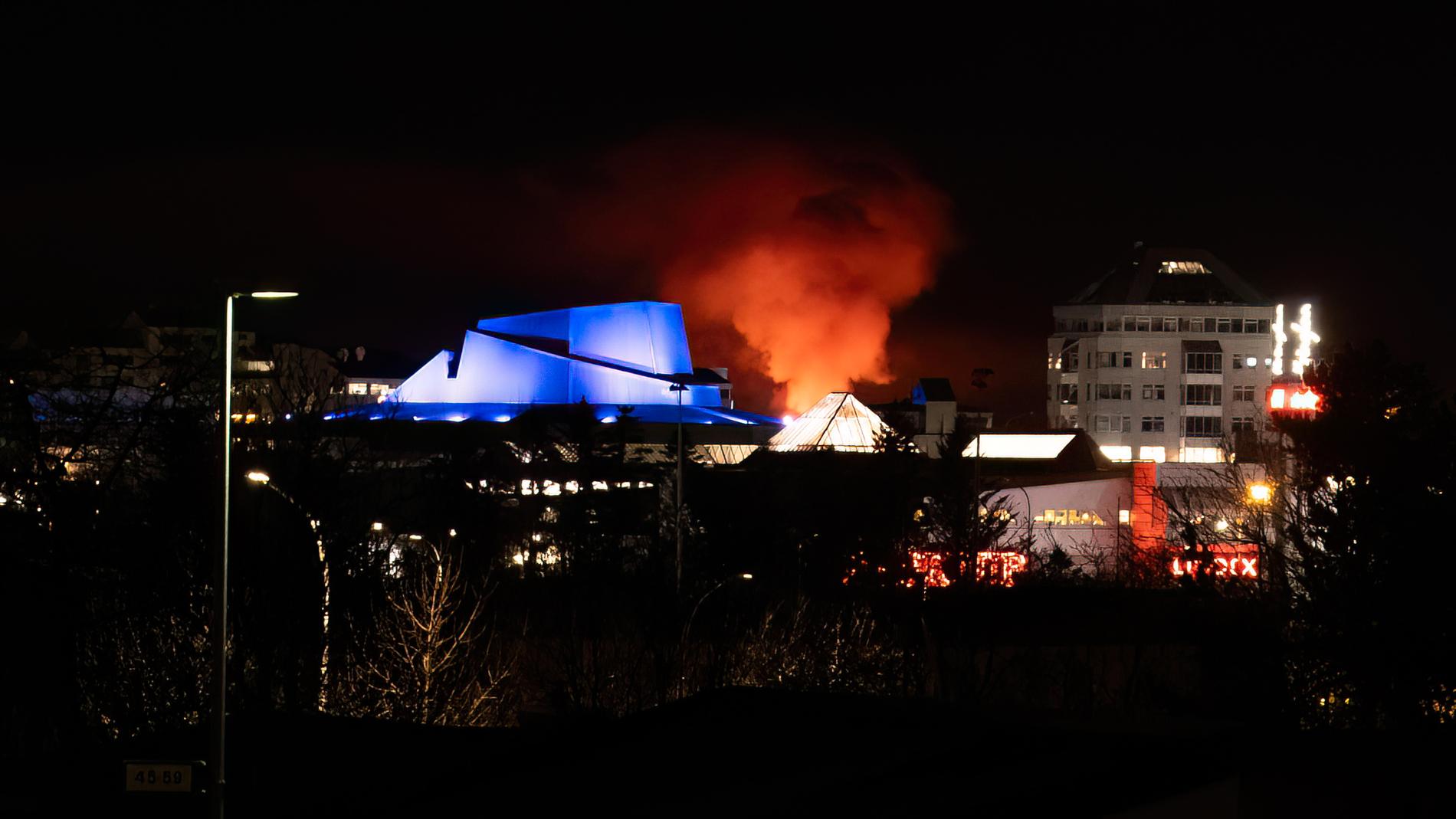
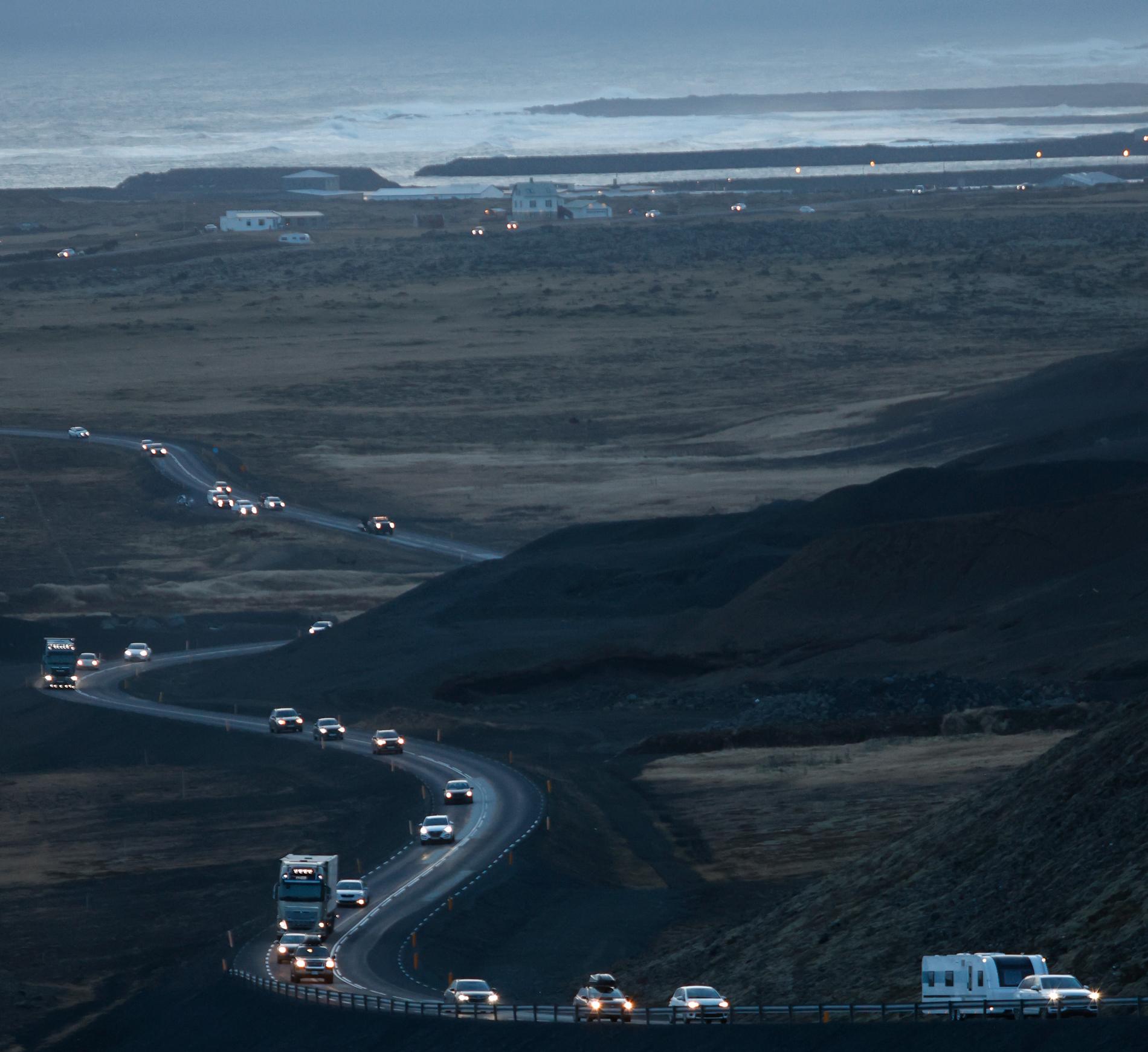
Jakob Vegerfors photographed the column of smoke from his living room window. "It was so incredibly strong at the beginning"
1 / 2Photo: Jakob Vegerfors
During the day, pictures have been broadcast in the world's media of the houses that caught fire when the lava reached settlements in Grindavík.
- There are quite intense lava fountains next to two of the houses, seismologist Björn Lund told TT earlier today.
Jakob says that most Icelanders are currently sitting on the couch with the TV.
- It is absolutely a natural disaster that is taking place in slow motion.
Several residents of Grindavík were already evacuated in November, after several earthquakes and the risk of volcanic eruptions.
- There are many who have had the hope that it would soon be possible to move in again. Now you don't really know how it will turn out.
"Black day for Iceland"
Seismic activity has decreased during the day. But more outbreaks are not out of the question.
Today's events are the most serious situation after a volcanic eruption since 1973, according to Vidir Reynisson, head of the Icelandic Civil Defense.
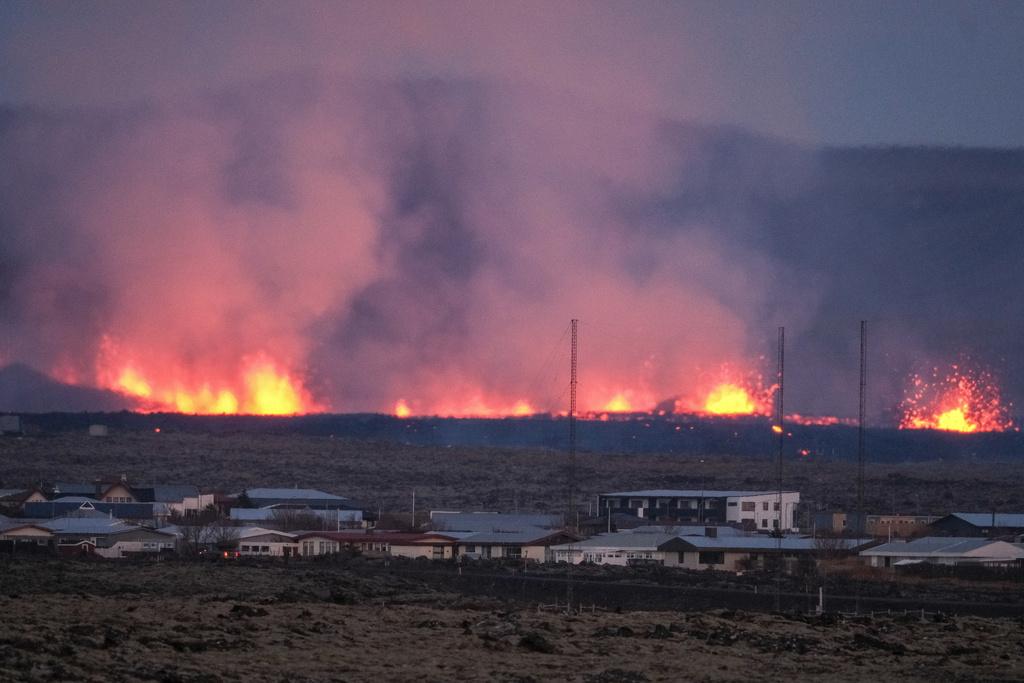
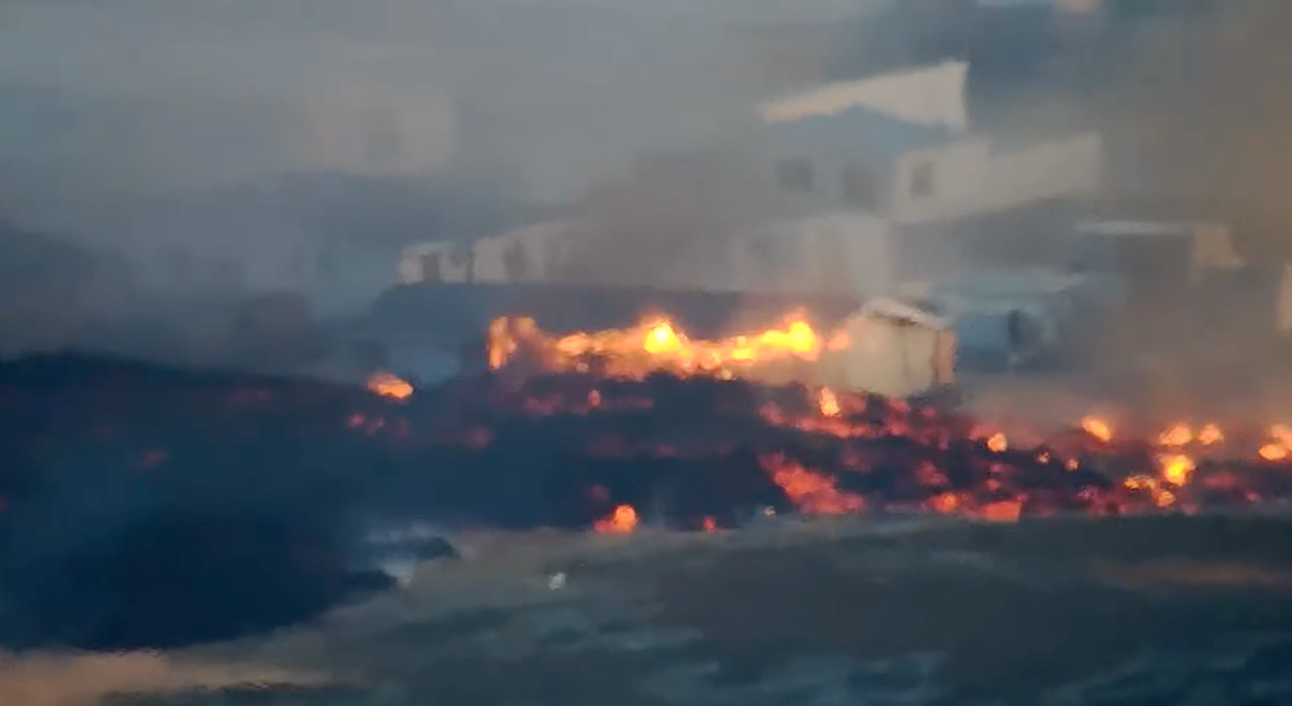
A large number of houses in Grindavík are threatened by the burning lava flow.
1 / 2Photo: EPA/ANTON BRINK
Major damage has been done to infrastructure. Several houses have burned and others lie smoldering very close to the lava river. Tomorrow the government will hold a meeting and decide on help in housing matters. Iceland's Prime Minister Katrín Jakobsdóttir calls it "a black day for Grindavík and all of Iceland".
- But the sun will rise again. Together we will deal with this shock and whatever may come next," the prime minister said in a statement.
From the coast guard helicopter, you can clearly see the large crack that opened on Sunday.
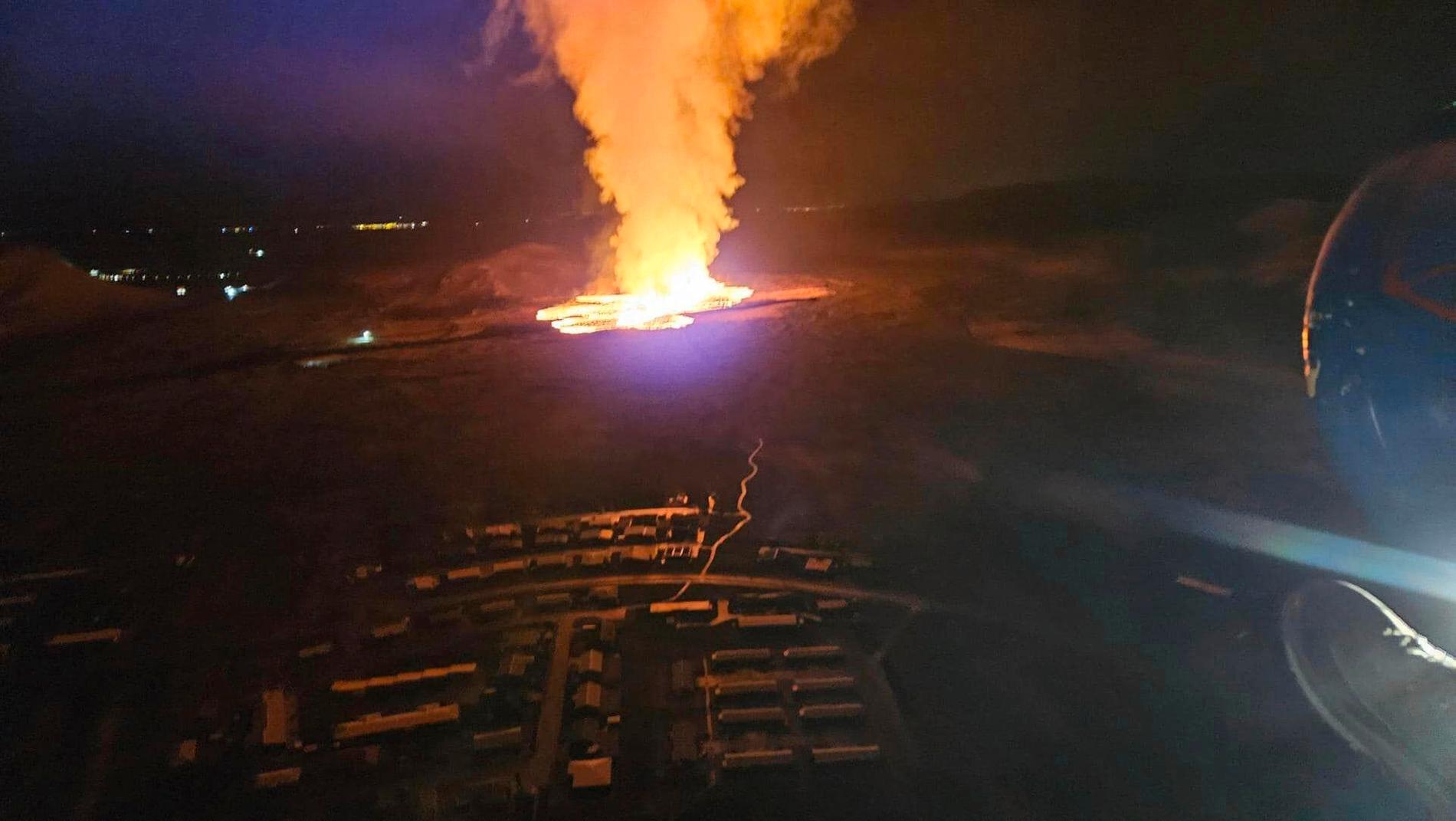
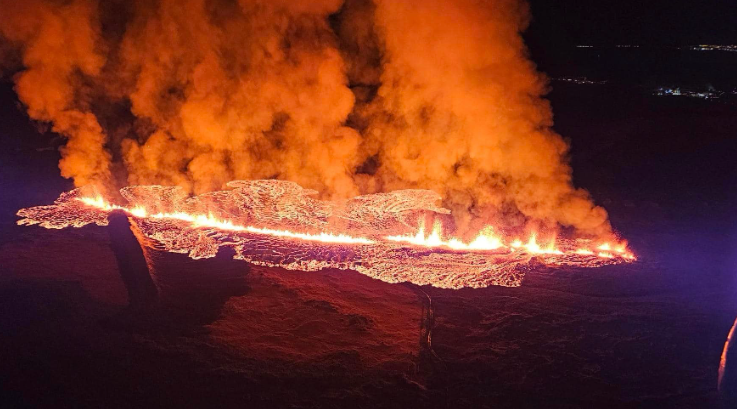
Helicopter image of the crack.
1 / 3Photo: Icelandic Civil Protection via AP
FACTS
Volcanic Iceland
The boundary between the North American and Eurasian continental plates runs right through Iceland. This means that the island has an extremely high level of geological activity.
Volcanic eruptions are frequent, but most are minor, occur in sparsely populated, mountainous parts of the country, and do not cause major damage.
But from time to time larger eruptions occur.
One of the worst in living memory occurred in the 18th century and killed a quarter of the island's population.
In the spring of 2010, Eyjafjallajökull exploded on the south coast. The eruption caused a huge ash cloud that knocked out air traffic over Europe for several weeks.

Inga kommentarer:
Skicka en kommentar