
Wolfgang Hansson
Updated 19.09 | Published 19.02
Despite massive bombing and already 1,000 dead Palestinian civilians, what Gazans are currently experiencing is the calm before a dreaded storm.
Prime Minister Benjamin Netanyahu's only chance for political survival is to strike harder against Hamas than Israel has ever done before.
The price of the war ahead will be extremely high for both Israel and the people of Gaza.
It feels like another age when I think back to how, 18 years ago, I was able to watch on the spot how Israeli soldiers forcibly dragged Jewish settlers out of Gaza.
The then hard-line Israeli Prime Minister Ariel Sharon decided in 2005 to return Gaza to the Palestinians. Many of the 8,000 Israeli settlers refused to leave. The Israeli military forced them out using, among other things, water cannons.
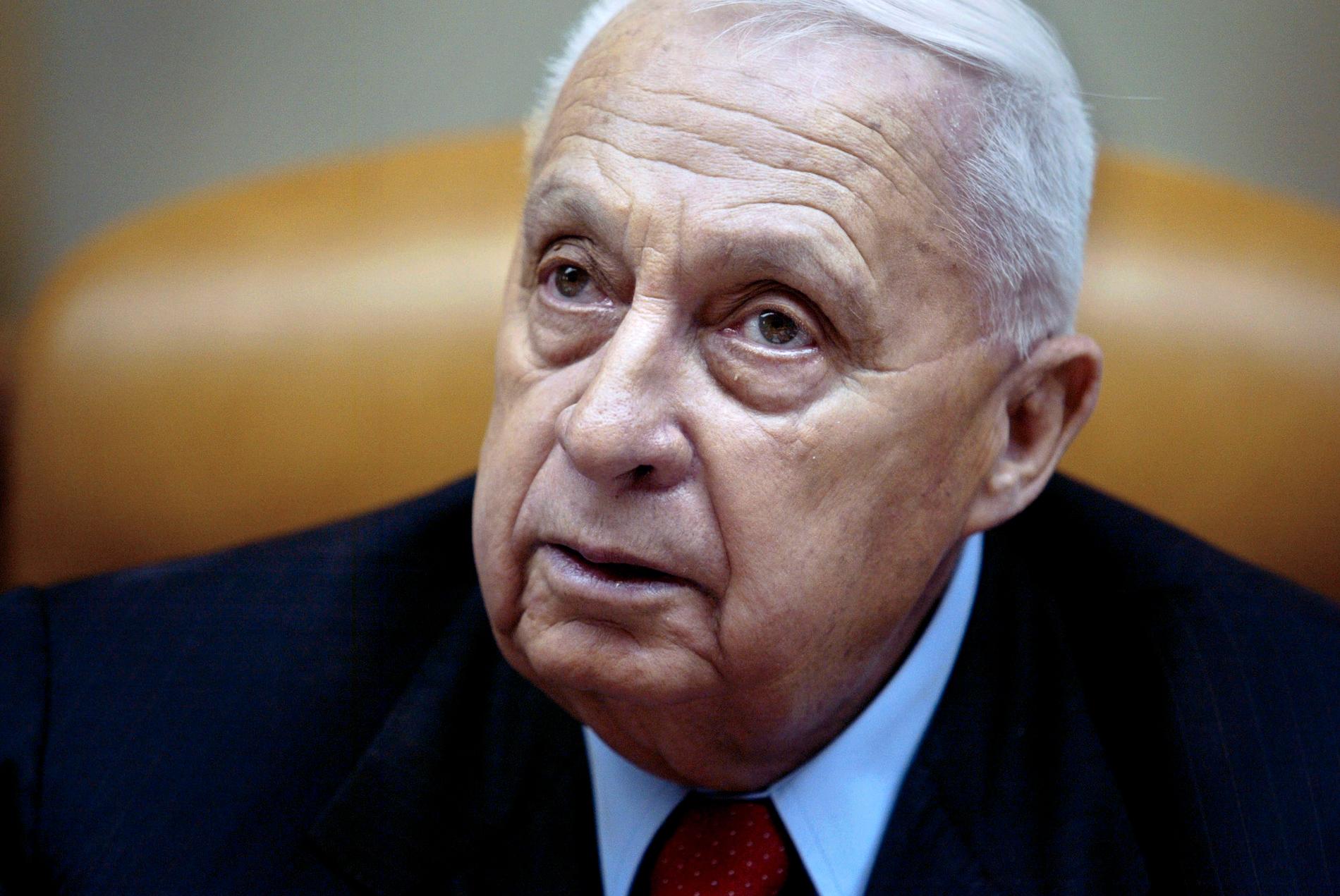
Israel's then Prime Minister Ariel Sharon in January 2005. Photo: Oded Bality/AP
Israel's goal was to change the demographic balance and not have to protect settlers and risk constant attacks and ambushes against the soldiers.
The respite was short-lived.
Instead of getting rid of the violence in Gaza, the return allowed Hamas, after a battle with the rival PLO, to take control of the area and build an infrastructure to attack Israel.
Since then, Israel has fought four wars against Hamas. We are at the beginning of the fifth. A few times Israel has gone in with ground troops, but it has always ended with heavy losses and a retreat.
Everyone is counting on a new ground offensive this time. That is the only way to seriously hurt Hamas. The only question is how extensive it will be and whether Israel intends to reoccupy the enclave. 300,000 reservists have been called up.
Benjamin Netanyahu will be blamed for the gigantic intelligence lapse that made Hamas's surprise attack possible. He has made a name for himself as having nine lives but his only chance for political survival this time is to neutralize Hamas once and for all.
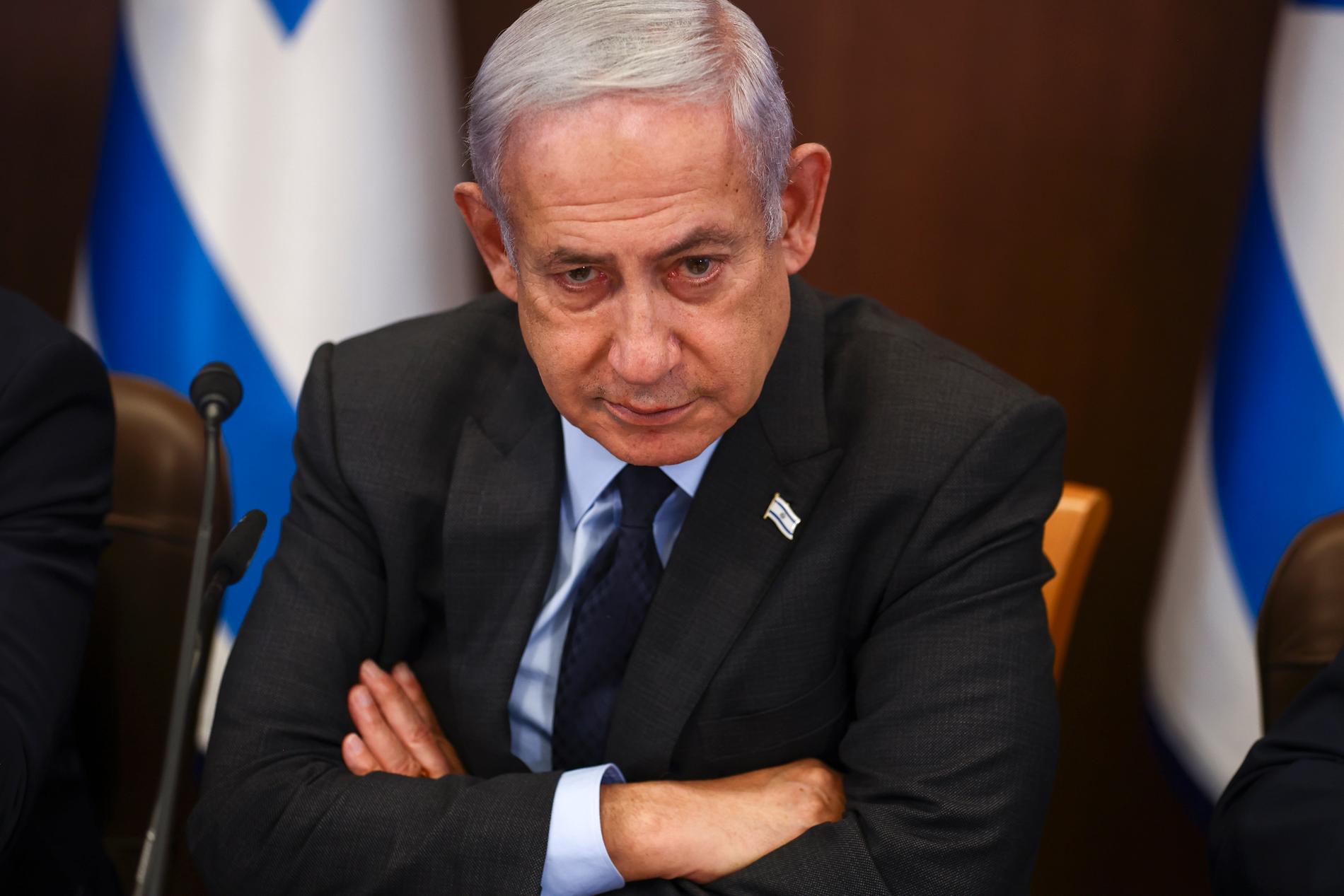
Israeli Prime Minister Benjamin Netanyahu. Photo: Ronen Zvulun/TT
But such an operation also entails great risks for Israel.
* Hamas has full control of its territory and has had a long time to build defense lines and armored tunnels where it can hide and ambush the Israeli soldiers.
* The surprise attack on Saturday showed that despite years of blockades, Hamas has managed to acquire modern weapons and modern technology. Information in foreign media claims that Hamas has access to, among other things, armor-piercing rockets of the Kornet type. It also appears to have access to a large number of drones that can be used to attack Israel's army when it advances in much the same way as the Ukrainians did when Russia invaded last year.
* Hamas soldiers do not necessarily wear uniforms. It will be very difficult for the Israeli soldiers to distinguish between Hamas fighters and civilian Gazans. Large civilian casualties among the Palestinians will quickly reverse the dynamics of the war. Right now, Hamas is seen as the main culprit, but when dead Palestinian women and children pile up, it is Israel that emerges as the aggressive party that uses disproportionate violence.
We have seen that dynamic in every previous war. The international pressure eventually becomes very hard on Israel to stop the killing. Therefore, once an offensive is launched, Israel is in a hurry.
Israel is a democracy and, unlike Russia and Hamas, is expected to follow the laws of war. Netanyahu is already moving dangerously close to what is permitted by subjecting all of Gaza to a total blockade. The electricity has been turned off. Neither food, water nor medicines may be brought inside. It is, as UN Secretary General Antonio Guiterrez points out, an impermissible collective punishment.
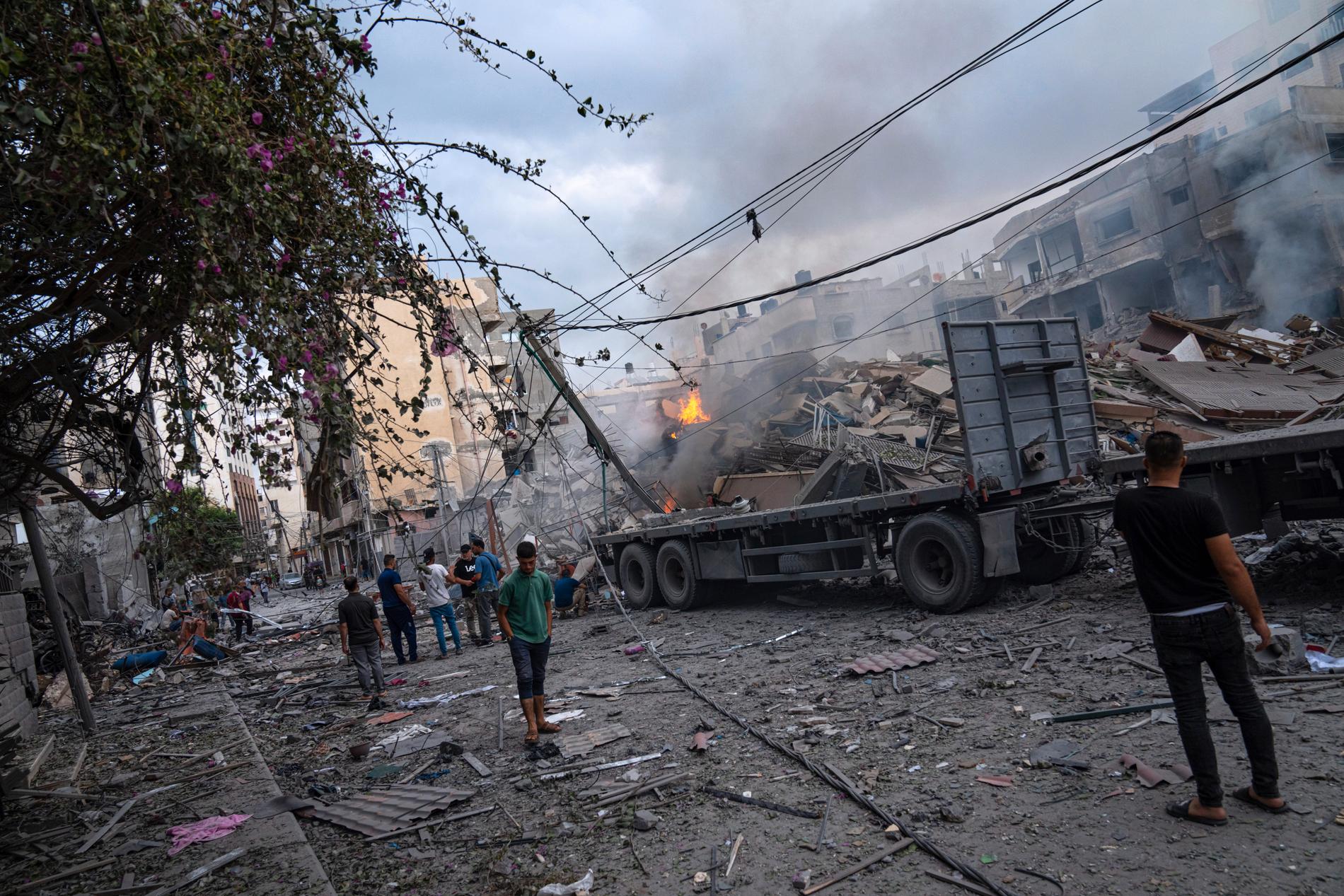
Palestinians walk among the ruins after Israeli airstrikes over a neighborhood in Gaza City, Tuesday, October 10. Photo: Fatima Shbair/AP
For the Palestinians in Gaza, days and weeks of suffering and terror await. Gaza has no shelters. Only Hamas has tunnels where they can seek shelter.
The bloodier the Israeli revenge becomes, the greater the risk for Israel that, for example, the Lebanese Hezbollah joins the side of Hamas and opens a second front in the war. The US has sent an aircraft carrier to the eastern Mediterranean as a signal to Iran and others not to exploit Israel's vulnerability.
The fact that Hamas is holding perhaps as many as 150 Israeli civilians and soldiers hostage makes a ground offensive difficult. It is suspected that Hamas will use the hostages as human shields. Hamas is already threatening to execute one hostage for every civilian building attacked without warning.
Israel does not know where the hostages are, which greatly complicates possible release attempts. At the same time, Israel cannot refrain from an offensive because of the hostages. The surprise attack has shaken Israel and the Israelis' self-image to its foundations. It demands a forceful response even if it means killing the hostage.
The number of dead Israelis is already up to 800. It has never happened before that the Israeli victims exceeded the Palestinian ones. A reality that Israel finds difficult to accept.
The whole of Israeli society is permeated at this moment by a will to crush Hamas. Almost regardless of what the price will be.
The problem for Israel is that in the four wars it previously fought against Hamas, the goal has always been to neutralize the terror-labeled organization. But each time Hamas has risen and re-emerged militarily stronger within a year or two.
What is it that says Israel will succeed this time?

Inga kommentarer:
Skicka en kommentar