
WOLFGANG HANSSON Sweden is not alone
World Governors: What Happened?
Published: Today 08.32
Updated: Today 11.09
This is a commentary text. Analysis and positions are the writer's.
COLUMNISTS
It's not easy to keep up with the turns.
Until the end of last year, inflation was considered to be far too low. Now it is suddenly alarmingly high in large parts of the world.
I understand if even central bank governors are dizzy wondering; What just happened?
One must go back to the financial crisis in the early 1990s to find inflation figures as high as the 7.2 per cent that Sweden reported for May. (som de 7,2 procent som Sverige redovisade för maj månad.)
For the past ten years, the problem has been considered the opposite. Inflation has not even reached the Riksbank's target of two per cent on an annual basis, no matter how much the Riksbank tries.
Sweden is not alone. In many countries around the world, inflation shone with its absence, which led to both the Riksbank, the European Central Bank and the Fed in the US lowering interest rates to zero or even minus. Money became very cheap.
It was as if normal economic laws had ceased to apply. No matter how much the Riksbank stimulated the economies, inflation did not rise.
But as so many times before, we were reminded that there are no free lunches.
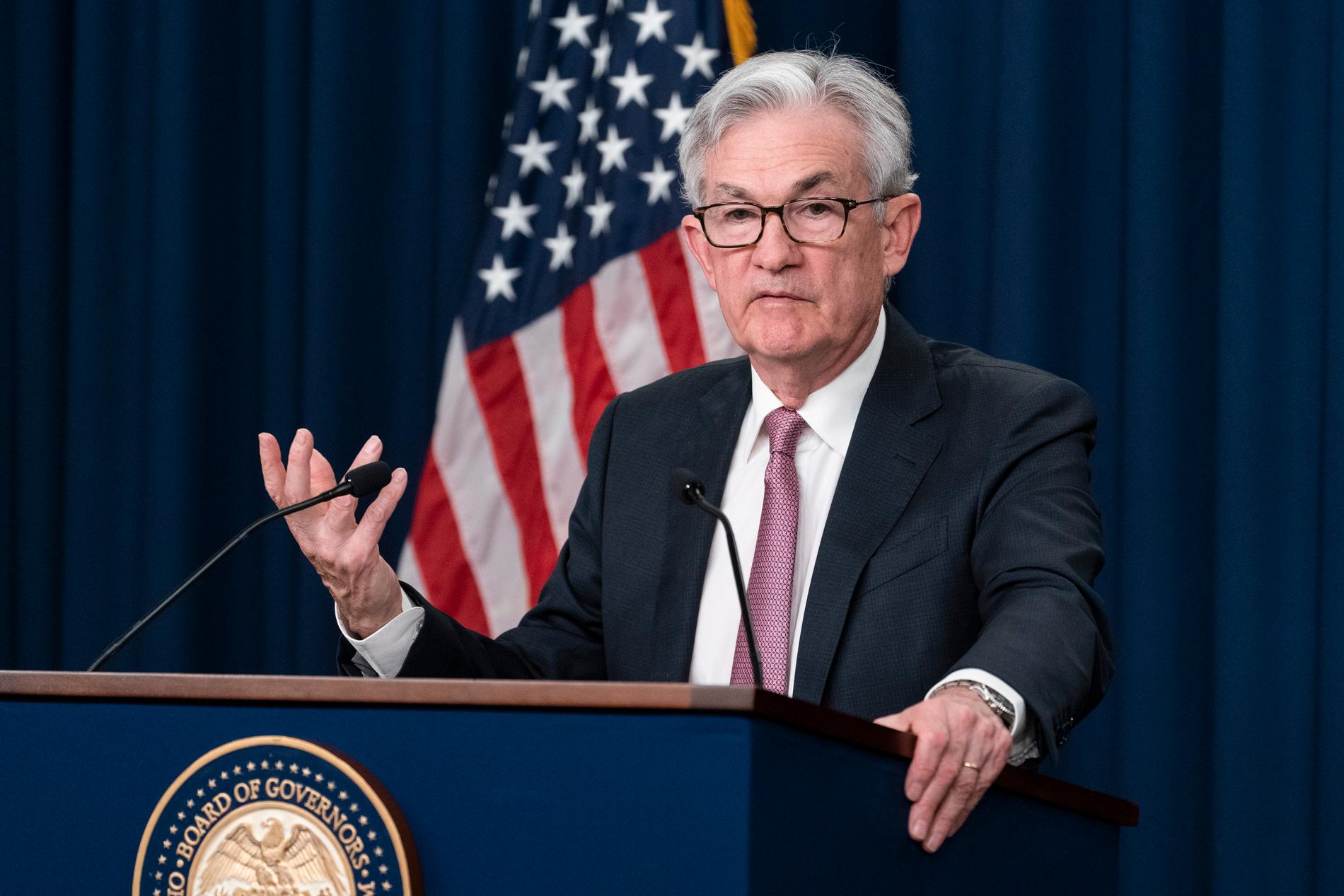
.Jerome Powell, Governor of the US Federal Reserve. Photo: Alex Brandon / AP
Suddenly the problem is the exact opposite. Inflation is skyrocketing. New records are broken every month. Even financial experts find it difficult to fully explain what is happening.
But there are at least two important factors that work together.
When the pandemic struck, panic lurked around the corner. Millions of people lost their jobs. Entire industries were more or less eliminated, for example the travel industry.
Governments in countries that could afford it invested in gigantic aid packages to mitigate the effects. The economies were stimulated in a way never seen before.
The Riksbank was wrong
It was considered the only way to avoid economic collapse. For a long time it was also very successful.
The difficulty was to time the reduction of subsidies.There are many indications that the stimuli were too great and remained for too long. People simply had too much to shop for.
But while demand increased, the pandemic created major problems in supply chains. Many companies could not produce enough goods and it was difficult to get them to the customers. The result was increased prices.
Temporarily, said the Riksbank and many international experts. It would only be for a few months.
But then Russia invaded Ukraine, creating a new price shock on oil, gas and electricity and contributing to further inflation.
The war also soon proved to create a shortage of goods. Russia and Ukraine account for a significant share of the world's natural fertilizers and grain production. More expensive electricity and inputs in agriculture lead to higher food prices.
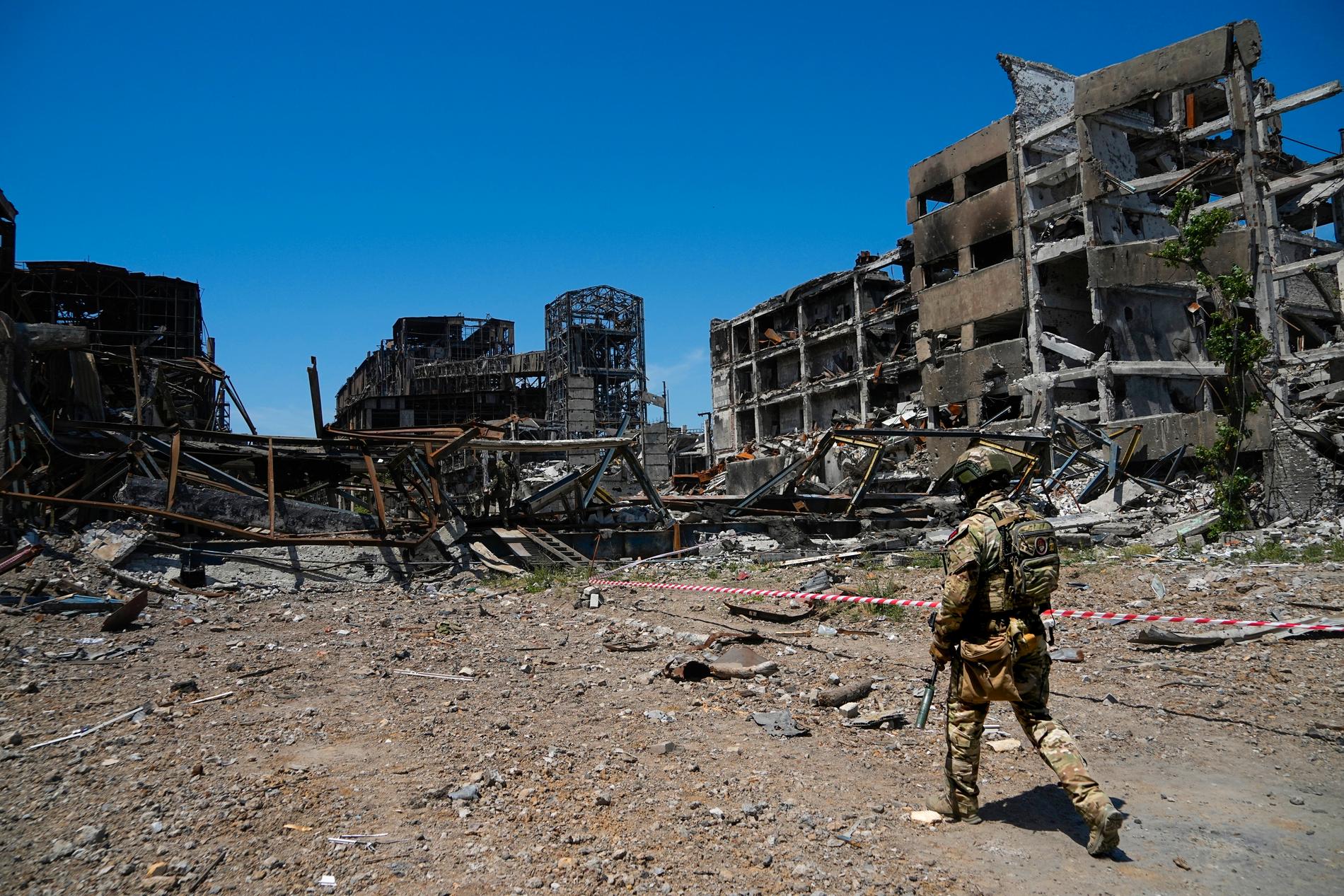
The war in Ukraine is one of the factors behind the rampant inflation. Photo: AP
When we thought that the pandemic was almost over, it hit China, the world's factory, which with its zero tolerance of covid has so far done well. But omikron was so much more contagious. The giant city and the transport hub Shanghai were closed down for just over two months, which created further disruptions in production and supply chains.
It's a bit of a perfect storm that has hit the world. The combination of the pandemic and the war has been devastating.
Painful awakening
A painful awakening for consumers who have become accustomed to steadily rising real wages and low prices. Now everything in everyday life is becoming more expensive at the same time as inflation erodes wages.
Today, inflation in many western economies is 5-9 percent. In the Baltics, it is even worse.
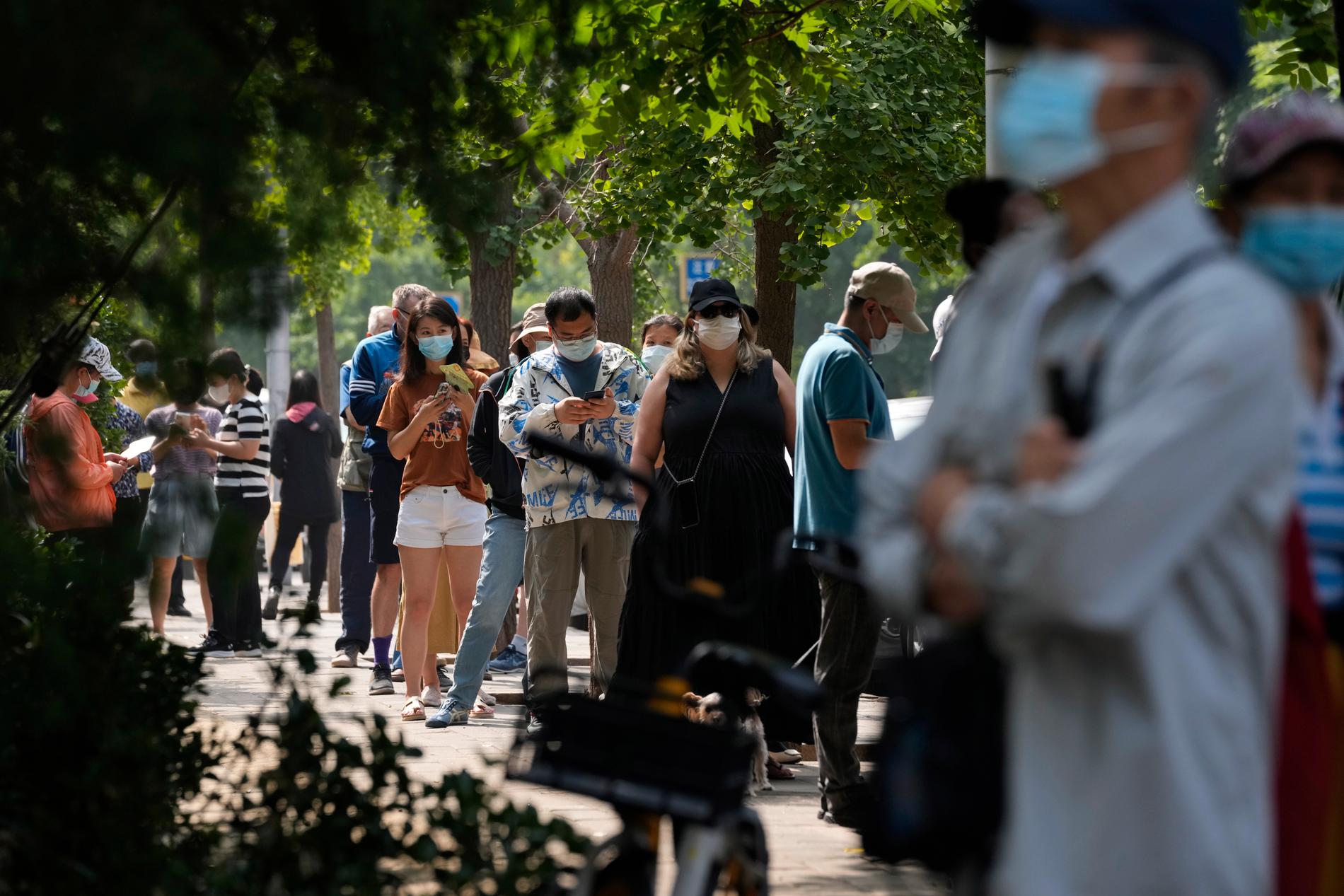
Beijing residents queue to conduct covid-19 tests on Tuesday, June 14. Photo: Ng Han Guan / AP
In a short time, the future prospects for the world economies have changed drastically. Now central banks around the world are raising their policy rates in panic in an attempt to stop inflation but then risk creating an economic downturn, a recession.
The World Bank recently downgraded its growth forecast for the world economy in 2022 from 4.1 percent to 2.9 percent.
At the same time, they warn of a scenario where prices continue to rise but the economy still stagnates. It is called stagflation, a combination of inflation and stagnation. Everything is becoming more expensive at the same time as unemployment is rising. It hits hard on low- and middle-income families.
Many have their pension savings in equity funds. The world's stock markets have collapsed during the first months of the year and it may well continue to decline.
The uncertainty about the future is great.
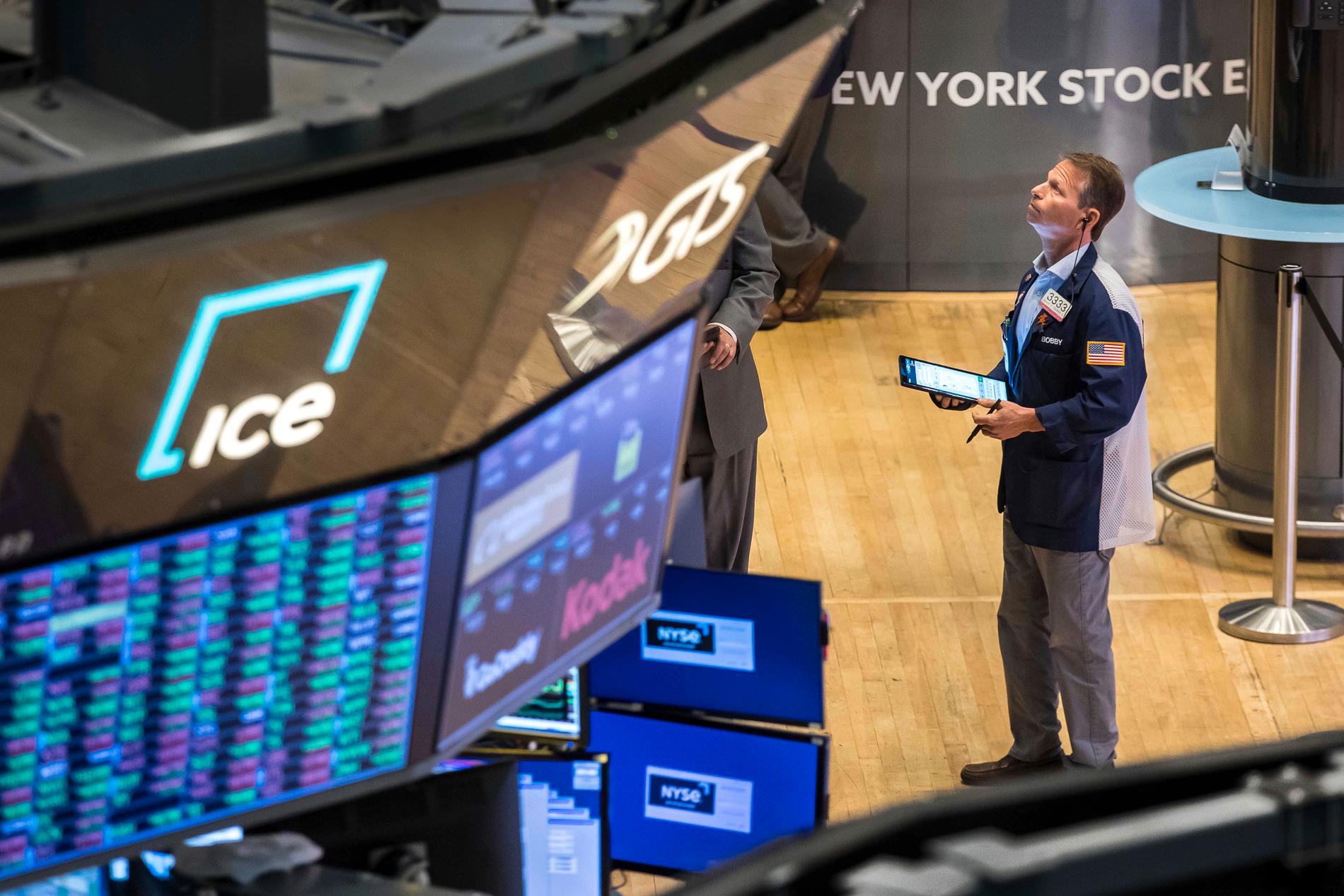
The world stock markets have plummeted during the first months of the year. Photo: Courtney Crow / A

Inga kommentarer:
Skicka en kommentar