
Åsa Linderborg
The yes-sayers are everywhere – not just in the Kremlin
Published: Today 10.14
This is a commenting text. Analysis and positions are the writer's.
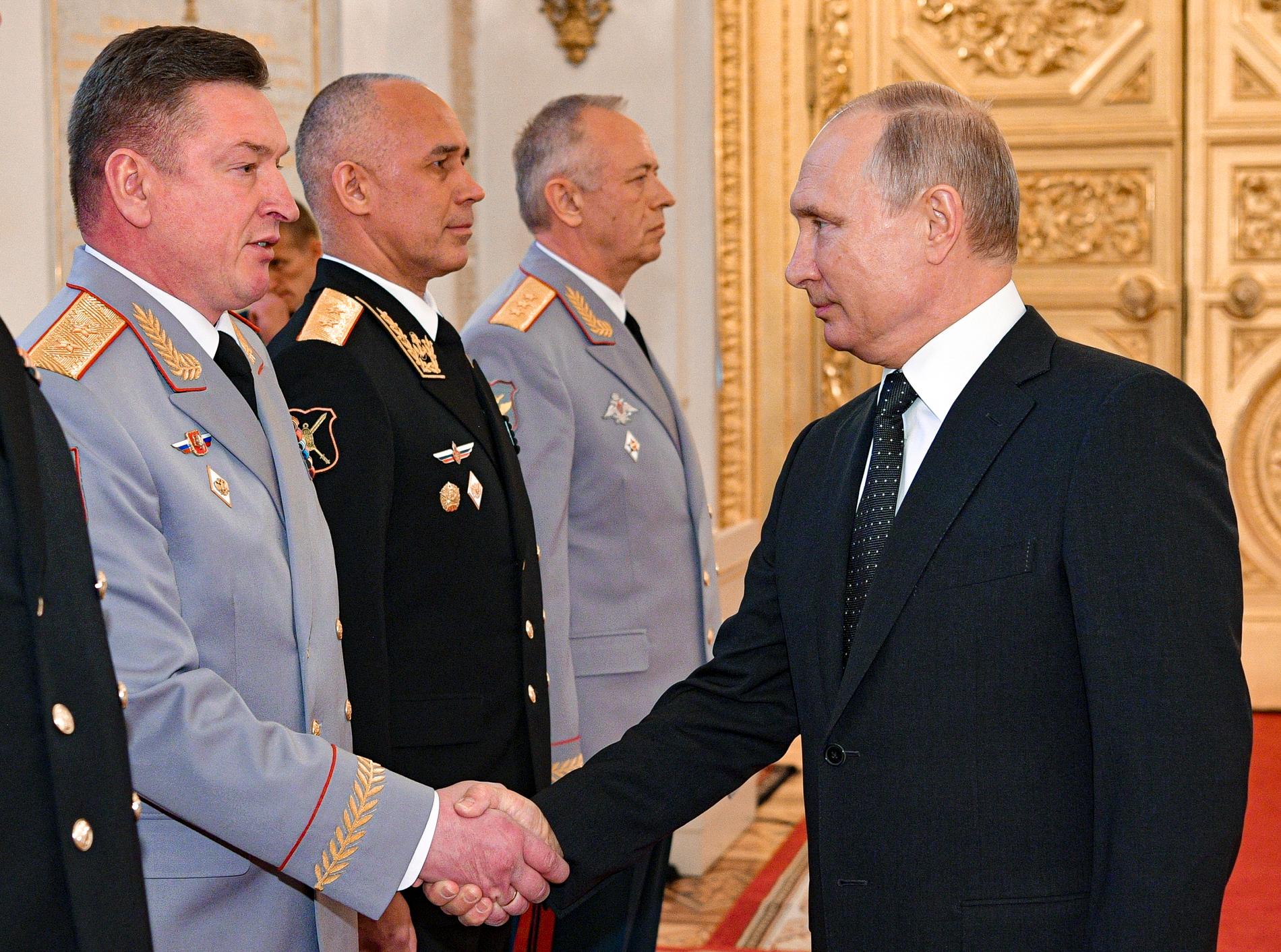
"Strangely enough, the intellectuals who live in a democracy rarely have any understanding of colleagues in dictatorships, who do not challenge their princes with their lives as a stake", writes Åsa Linderborg. Photo: Alexei Druzhinin / AP
COLUMNISTS
I read that Putin is surrounded by "yes-sayers".
Really?
I guess that's how it usually is in authoritarian regimes. If you can be poisoned with novichok, or as in China, forcibly removed from the podium in front of everyone, it would be surprising if everyone in the congregation didn't nod yes to everything.
Thinking freely is big. Saying yes is wisest.
This applies even in the freest societies, noted Åke Ortmark in the book Ja-sägarna from 1986. Not least in the business world.
Ortmark's prime example was the court around Volvo's then "prince" PG Gyllenhammar. A fresher case from the automotive world can be found on Netflix in the excellent documentary On the Run, which deals with the rise and fall of the CEO of Renault and Nissan, Carlos Ghosn. Ghosn is described as a paranoid, cold and greedy dictator, surrounded by yes-sayers.
Often it is the most talented who occupy that position.
Certain decisions become incomprehensible if you don't understand how unrestrained belief in authority works, Ortmark points out. He recalls the Vietnam War as a gigantic fiasco caused by opportunistic group madness and self-censorship. The list can be made endless.
The power of the group over the individual is enormous. The we-feeling trumps most things.
Civil courage can cost you everything you have.
My own world, the media industry, falls embarrassingly well into Ortmark's study of the yes-saying.
We think we are independent seekers of truth, but we prefer to run in packs. Remember metoo 2017 or look at us now, how we incite the militarization of Sweden on the news site. The Swedish journalistic profession is more like Polonius in Hamlet than the fool in King
Lear.
In 2010, Aftonbladet started the campaign We like different things. I don't think a newspaper should have that kind of campaign, no matter how good the aim, but I acted quite the opposite; hit the big drum. It was a yes that gave me great satisfaction.
The prince can look at the yes-sayer with a mixture of benevolence and contempt, Ortmark observed. The prince wants to be met by twinkling eyes, but at the same time finds the lack of backbone laughable. Just look at how Putin enjoyed humiliating Sergei Naryshkin, the head of foreign intelligence, who gave the Yes government a woefully tragic face.
It's easy to mock others for being yes-sayers. Strangely enough, the intellectuals who live in a democracy rarely have any understanding of colleagues in dictatorships, who do not challenge their princes with their lives as a stake. But how often have they themselves expressed an inopportunity
opinion, been in bad weather, shown courage in vulnerable situations? How often do they speak against their contemporaries or their superiors, even though speech is free?
Or as Åke Ortmark put it: You who read this and do not recognize yourself at all. That is precisely the point.

Inga kommentarer:
Skicka en kommentar