
The enforcement agency
New group at the Enforcement Directorate: "A lot in a short time"
David Peterson
Published 2024-08-16 17.20
The Swedish debt mountain is growing at a record pace.
And a completely new group has appeared at the Kronofogden.
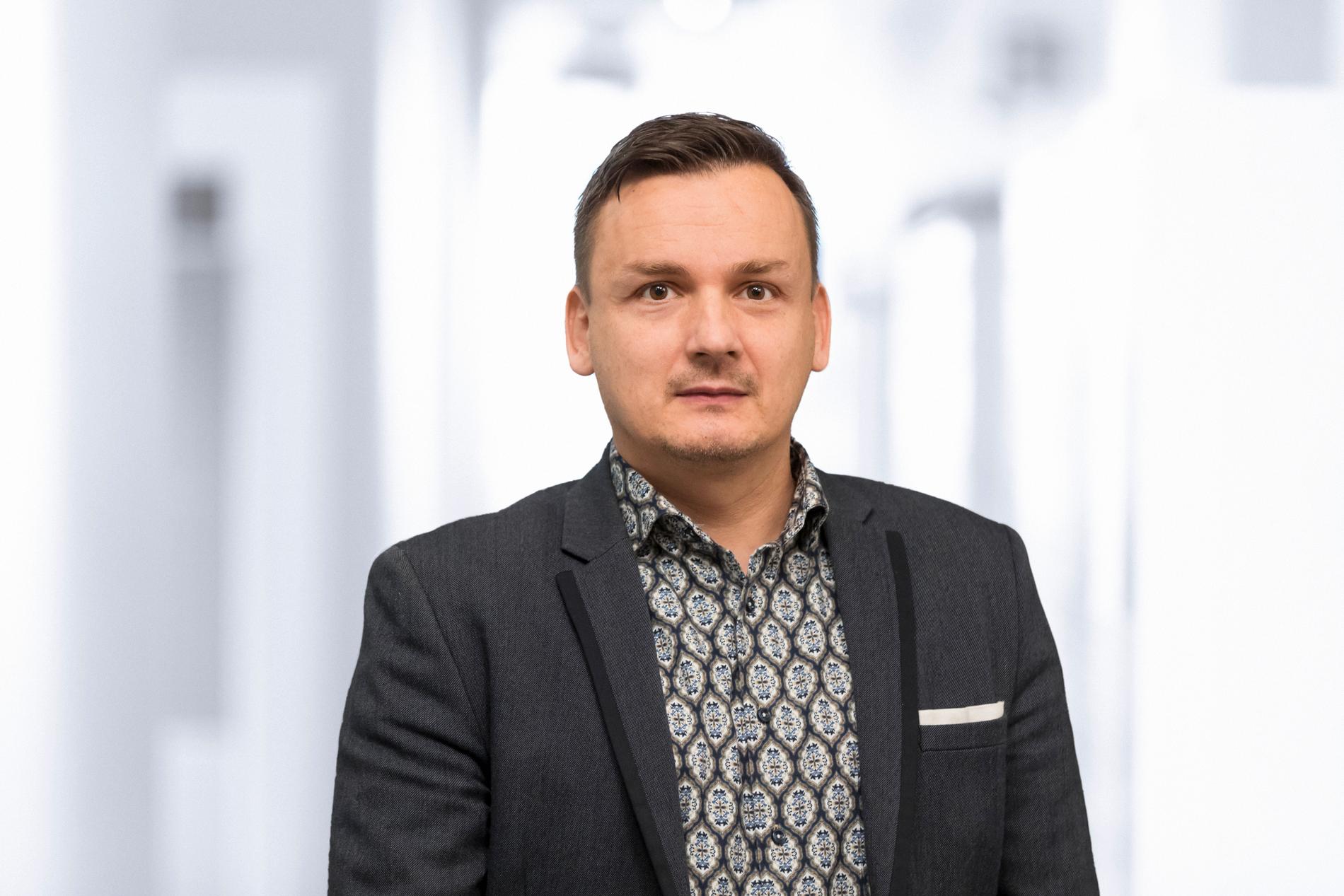
- These are people who never thought they would end up with us, says Davor Vuleta, private finance spokesperson at the authority.
Quick version
Many young people are looking for debt relief, but the Kronofogden warns that this is not a sustainable solution, especially for those under 30.
The debts to the Crown Enforcement Agency increase by 50 million a day. At the beginning of August, the total debt was a record high of SEK 129 billion, compared with SEK 119 billion at the turn of the year.
- It is unsustainable. We have warned about this, but it will continue. Even if you start to discuss a light in the general economy, we don't see it yet at the Kronofogden. It lags behind and it will take time before it is rectified with us, says Davor Vuleta, personal finance spokesperson at Kronofogden.
Around 420,000 people have active debts with the Kronofogden. A period of negative economic events can be seen as part of the explanation for the high number of debtors, according to Vuleta.
- We had the pandemic where many groups were hit hard, inflation, interest rate increases, and soaring electricity prices in southern Sweden. It was a lot in a short time.
Lived beyond his means
Historically, people with lower education, lower employment and lower wages have been in the large majority when it comes to debts that go to the Kronofogden.
But in recent years, more and more people with higher education and salary have ended up with the authority.
- It was after interest rates were raised and inflation hit that we started to see the new group. For that group, it is mainly about over-leveraging. These are people who did not live beyond their means when they took out their loans, but the changes in the economy have meant that you no longer have enough financial assets, says Davor Vuleta.

Inga kommentarer:
Skicka en kommentar