
Another blackout at the nuclear power plant in Zaporizhzhya: "Difficult situation"
Of:
Johanna Sundbeck
Published: Less than 3 hours ago
NEWS
The clock is ticking – fuel is available for ten more days to cool Zaporizhzhya's reactors.
The worst possible outcome is a meltdown scenario.
- It is an extremely difficult situation to resolve the situation in, says Mattias Karlsson, investigator at the Swedish Radiation Safety Agency.
The UN Atomic Energy Agency (IAEA) warns that the fortunes may turn.
The power supply to the nuclear power plant in Zaporizhzhya in southeastern Ukraine was interrupted again on Thursday morning. The interruption has occurred as a result of a series of Russian robot attacks that hit several regions during the night.
The target seems to have been the electricity grid and infrastructure.
Zaporizhzhya is Europe's largest nuclear power plant and has previously lost contact with the power grid on six occasions since the war began. The last time was last November.
The situation is unsustainable, says Rafael Grossi, head of the UN's International Atomic Energy Agency (IAEA) on Thursday.
“Every time it's like we roll a dice. And if we let this continue, the fortunes will one day turn," he said in a statement after the attacks.
Zaporizhzhya is now powered by 18 diesel generators to cool the plant's reactors and other critical safety functions. The fuel lasts for ten days - "the countdown has begun", writes the energy agency Energoatom in a Telegram channel.
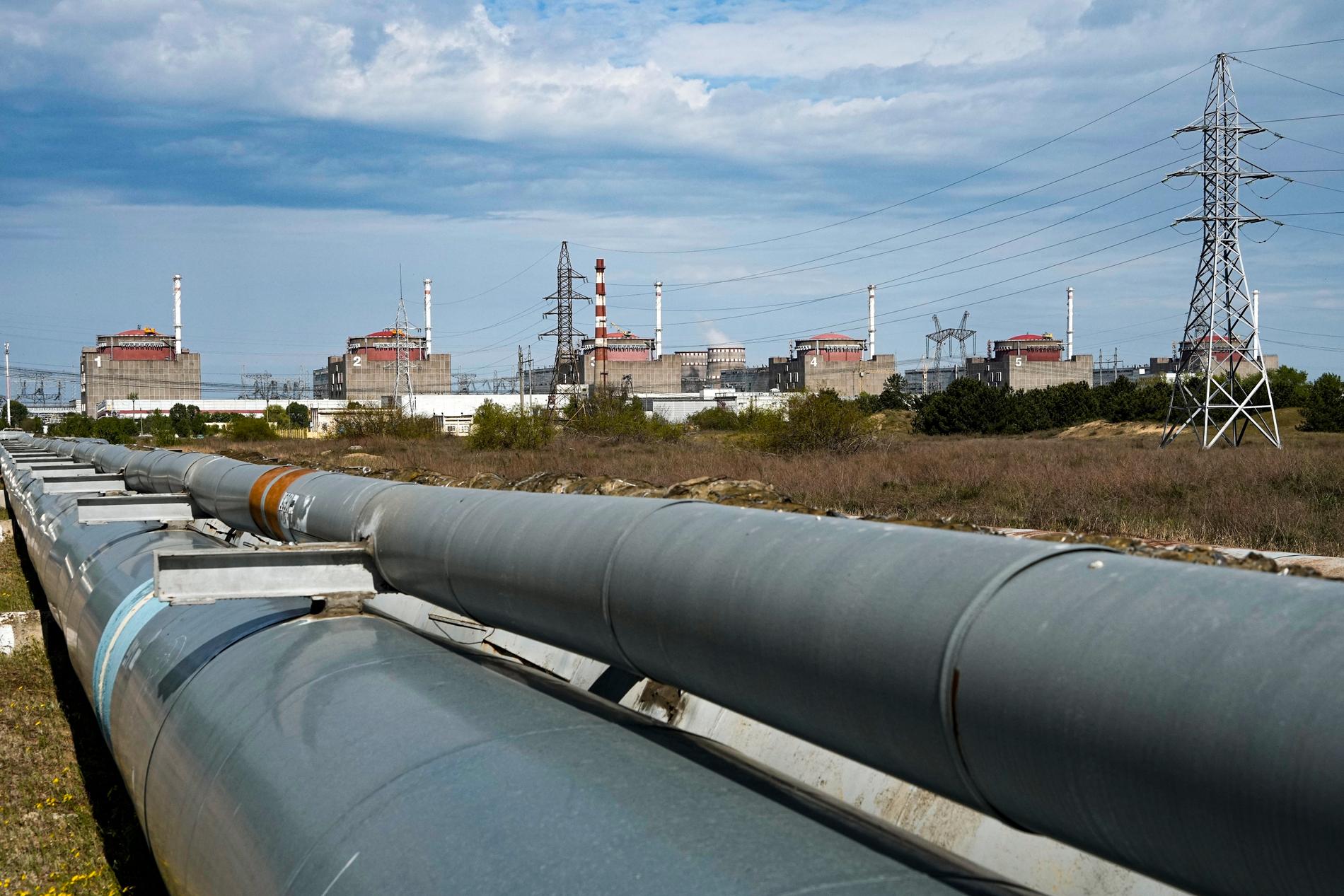
fuel is available for ten more days to cool Zaporizhzhya's reactors. Photo: Alexander Zemlianichenko / AP
Radioactive substances can be spread
The facility is built to be able to handle operation without electricity supply. But a worst-case scenario is that you lose all cooling to the reactors.
Then the cores on the reactors are uncovered - eventually a core meltdown scenario can occur.
- If there are no additional disturbances, you should be able to cope with this. You have relatively good margins. But at the same time, it means an incredible amount of stress for the staff who work on the front line. It is an extremely difficult situation to resolve the situation in. To sort this out, it is necessary to restore the connection to the main network, says Mattias Karlsson, investigator at the Swedish Radiation Safety Agency. Zaporizhzhya is Europe's largest nuclear power plant.
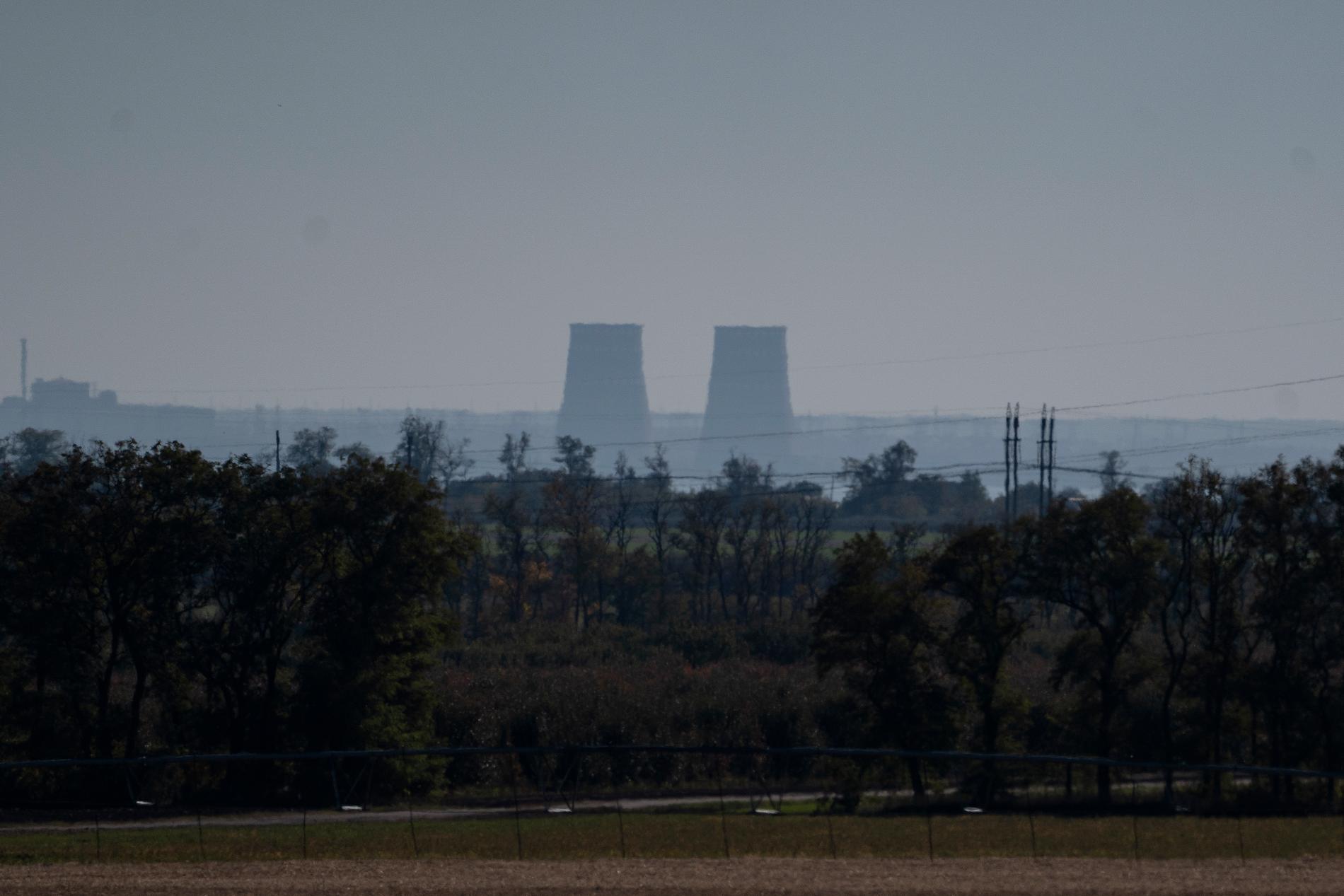
Zaporizhzhya is Europe's largest nuclear power plant. Photo: Leo Correa / AP
With more and more damage to critical infrastructure, it may become more difficult to connect to the electricity grid, he believes.
If the power supply is not started, the risk of a nuclear disaster increases. It can threaten public health and the environment in and outside of Ukraine. A Fukushima-like course could then occur.
For Sweden, in the worst case it could mean that food production is affected.
- Radioactive substances can be released into the immediate area, which can affect food imports. The damage would end up somewhere between Three Mile Island and Fukushima, he says.
In the event on Three Mile Island in Pennsylvania in the USA in 1979, 140,000 people were evacuated in one week. The Fukushima disaster occurred in 2011 in Japan as a result of an earthquake and tsunami. It caused tens of thousands of people to flee their homes due to the large releases of radioactive substances. The worst possible outcome is a meltdown scenario.
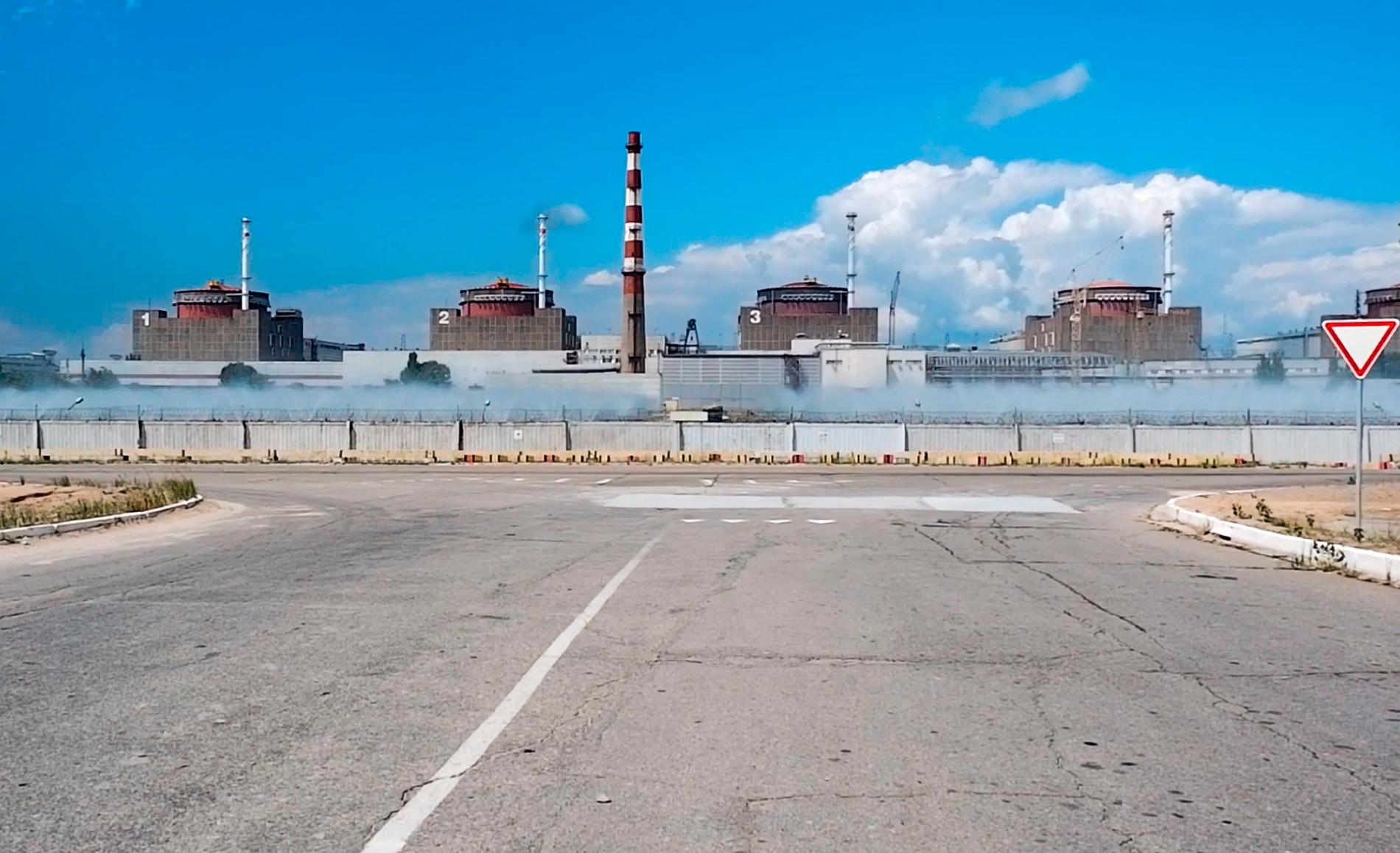
The worst possible outcome is a meltdown scenario. Photo: AP
No immediate risk of disaster
However, Mattias Karlsson points out that the risk of a nuclear disaster is small.
- It is difficult to see that it would be in the interest of any party that there was an accident. I can't see that the risks are greater this time. There are both Ukrainian and Russian personnel on site at Zaporizhzhya. They have facility knowledge and know the importance of maintaining high security.
Ilmari Käihkö, associate professor of military science at the Norwegian Defense Academy, says that the night's missile attacks on critical infrastructure are the most extensive in a month.
However, a possible nuclear accident would not benefit Russia, he believes.
- As a strategy, it is understandable to attack critical infrastructure. Russia has not succeeded on the battlefield. Russian capability has been inadequate while Ukraine's defenses have been strengthened. It wasn't a hard winter either, Ukrainians and us in the west were lucky there considering the electricity prices, says Ilmari Käihkö.
There are therefore benefits for Russia to continue to control Zaporizhzhya.
- It is obviously very expensive infrastructure that costs billions to build. It has become an important part of the whole war and is about both economic and political incentives. Russia is thus trying to strangle the economy in order to force the Ukrainian people to negotiate.

Inga kommentarer:
Skicka en kommentar