'If AI controlled nuclear weapons, we would have been extinct'
Artificial Intelligence
Expert: "If AI controlled nuclear weapons, we would already be dead"
Of:
Joachim Kerpner
Published: Today 13.41
Updated: Today 14.09
NEWS
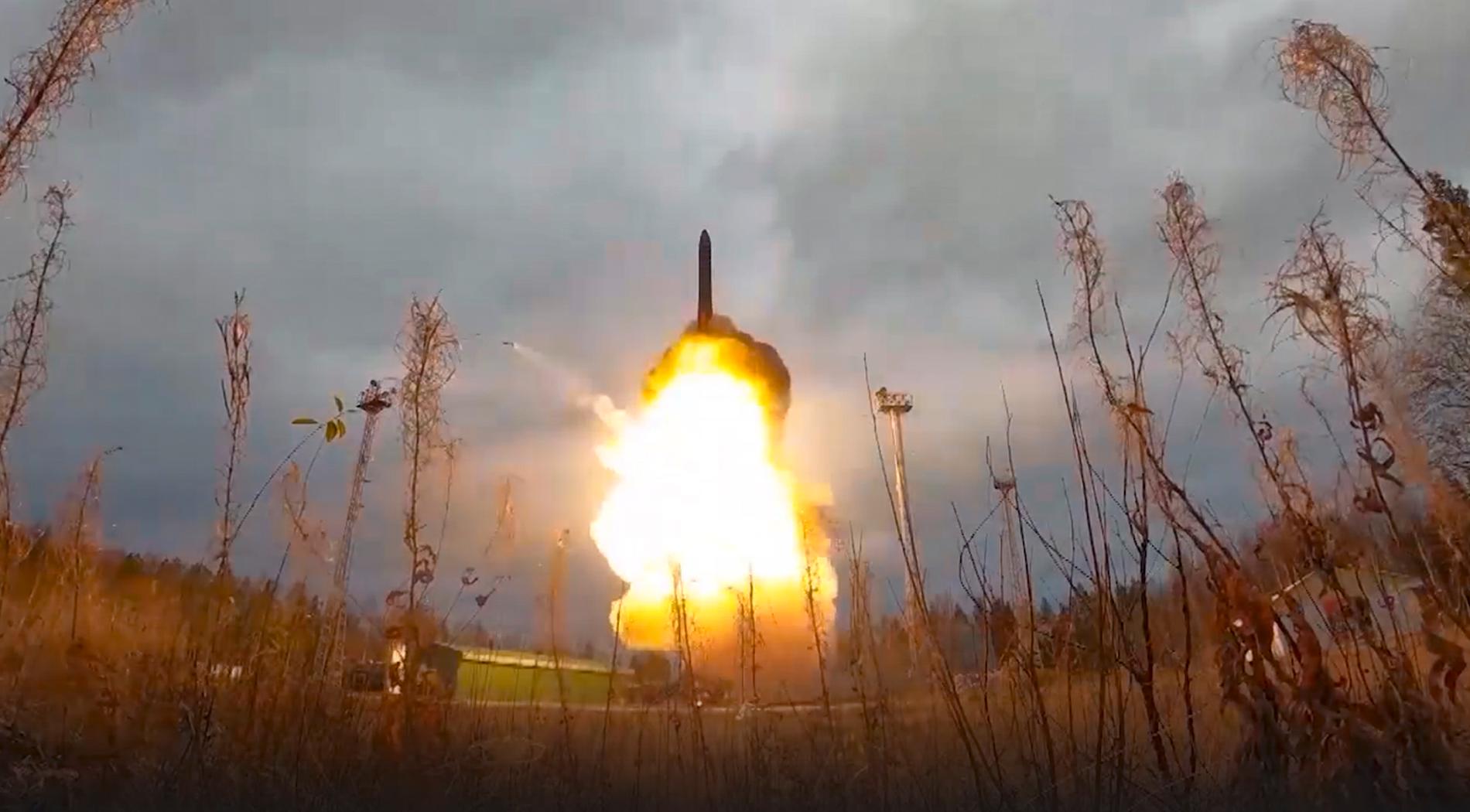
American researchers have proposed that AI technology should be allowed to launch nuclear weapons independently.
Had it been the case during the Cold War, humanity would probably have been extinct already, according to Zachary Kallenborn.
In 1983, the Soviet Union's warning system alerted that American nuclear weapons "with the highest degree of certainty" were on their way.But the officer in charge, Stanislav Petrov, said no to a counterattack.
American weapons researcher Zachary Kallenborn.Photo: zkallenborn.com
According to the American weapons researcher Zachary Kallenborn, an autonomous system, controlled by artificial intelligence, had acted in the opposite way:
"The false signals were due to the warning system interpreting the reflections of the sun's rays in clouds as nuclear missiles.If Petrov had been a machine, programmed to respond automatically when the credibility was high enough, the failure would have started a nuclear war," writes Kallenborn in Bulletin of the Atomic Scientists.
Between 1962 and 2002, there were at least 13 nuclear incidents that could have gotten out of hand, notes The New York Times.
Photo: AP
"The missile so fast that automatic response is needed"
The fact that the possibility of letting AI technology control nuclear weapons is discussed at all is primarily due to the fact that response times have become increasingly shorter.
During the Second World War, it took hours before the plans with the atomic bombs reached their targets.In 1958, the Soviets had developed intercontinental missiles that could reach the US in half an hour.Since the 1970s, nuclear-armed submarines can appear off the coast and launch nuclear weapons that reach targets in a quarter of an hour, notes The Atlantic magazine.Since then, 50 years have passed.
- How do you defend against attacks that are faster than human decision-making?It is an unsolved problem.In other words, the missile is coming so fast that there has to be an automatic response, Eric Schmidt, former chairman of the US Defense Innovation Board, told The New York Times.
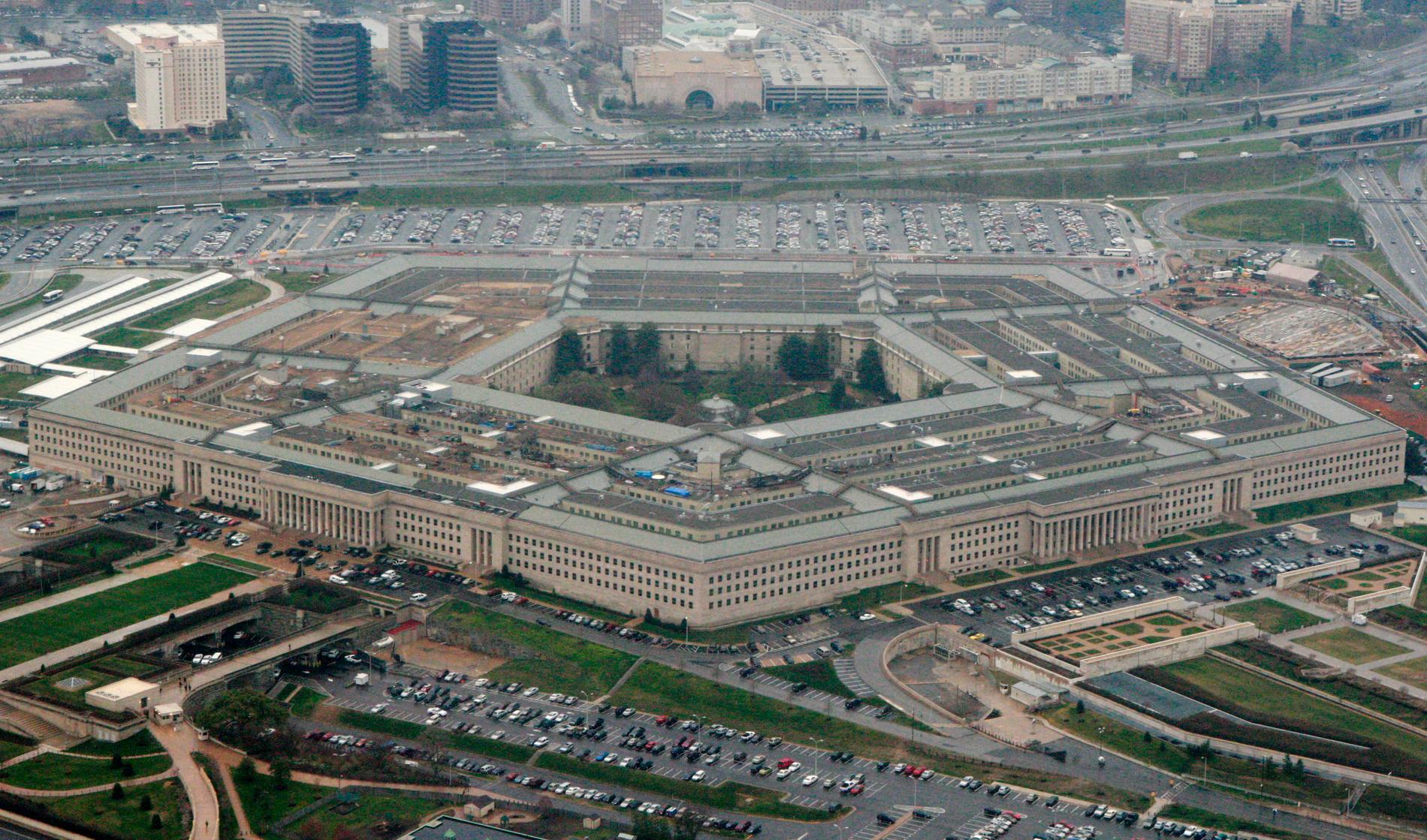
Pentagon.Pentagon.Photo: AP
The American Department of Defense, the Pentagon, has been exploring the possibilities of using artificial intelligence in combat situations for the past five years.In 2021 alone, the Pentagon ran 685 military AI projects, according to The Atlantic.
"One exception - no AI systems in nuclear weapons!"
In 2019, Curtis McGiffin, a researcher at the Air Force Institute of Technology, and Adam Lowther, director of research at the Louisiana Tech Research Institute, suggested that the US military should develop AI technology that can automatically and lightning-quickly respond to enemy nuclear attacks.
Photo: Getty Images/iStockphoto
US Lieutenant General Jack Shanahan then replied that he has nothing against artificial intelligence in weapons systems, with one exception: in the case of nuclear weapons.
"But Shanahan retired in 2020, and there's no reason to think that such a proposal can't come up again," writes Zachary Kallenborn.
This week, members of both parties in the US Congress called for a law prohibiting AI systems from launching nuclear weapons, according tosenator Ed Markey.
"AI can give us a bigger and better future" Photo: Getty Images/iStockphoto
"If one country starts, the others follow"
At the same time, it is unclear what research China and Russia are conducting in this area, and what more aggressive action on their part could lead to:
"Any country that begins to use artificial intelligence in nuclear weapons decisions will motivate others to follow suit," writes The Atlantic.
According to the magazine, one scenario could then be that an American AI system misinterprets acoustic monitoring in the South China Sea as Chinese preparations for a nuclear attack.When the US system prepares a counterattack, China's AI system can pick up the moves and strike.





Inga kommentarer:
Skicka en kommentar